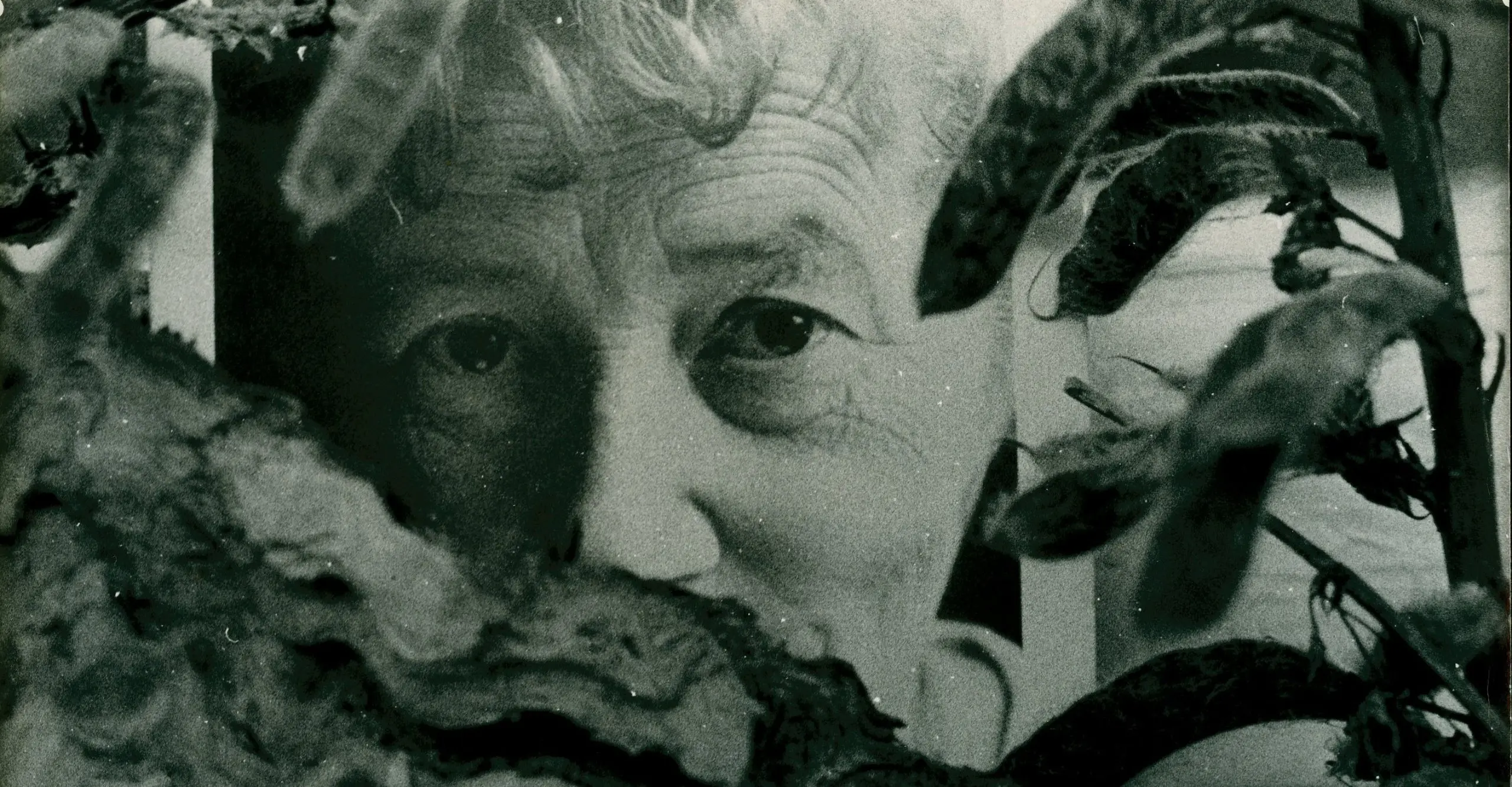
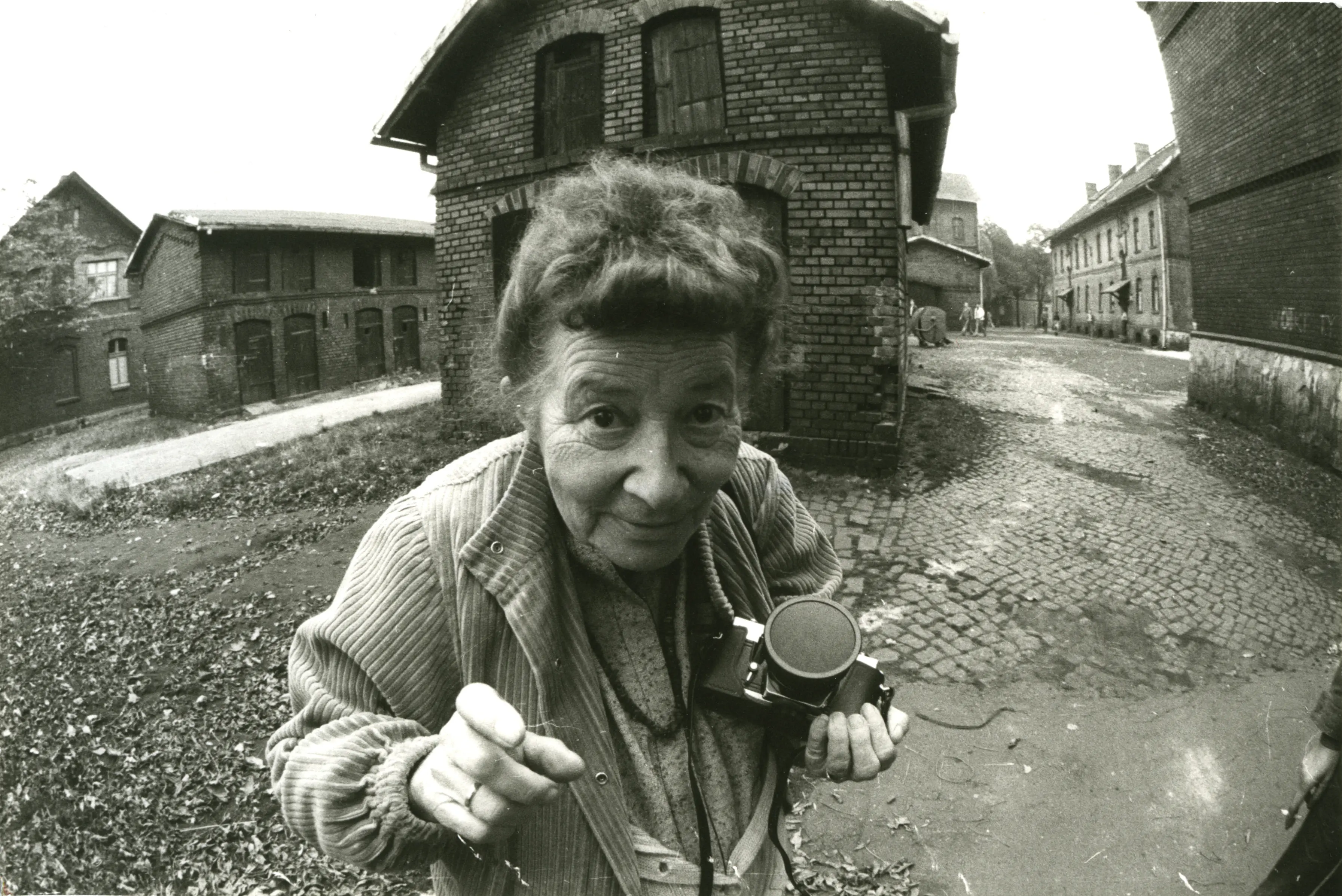
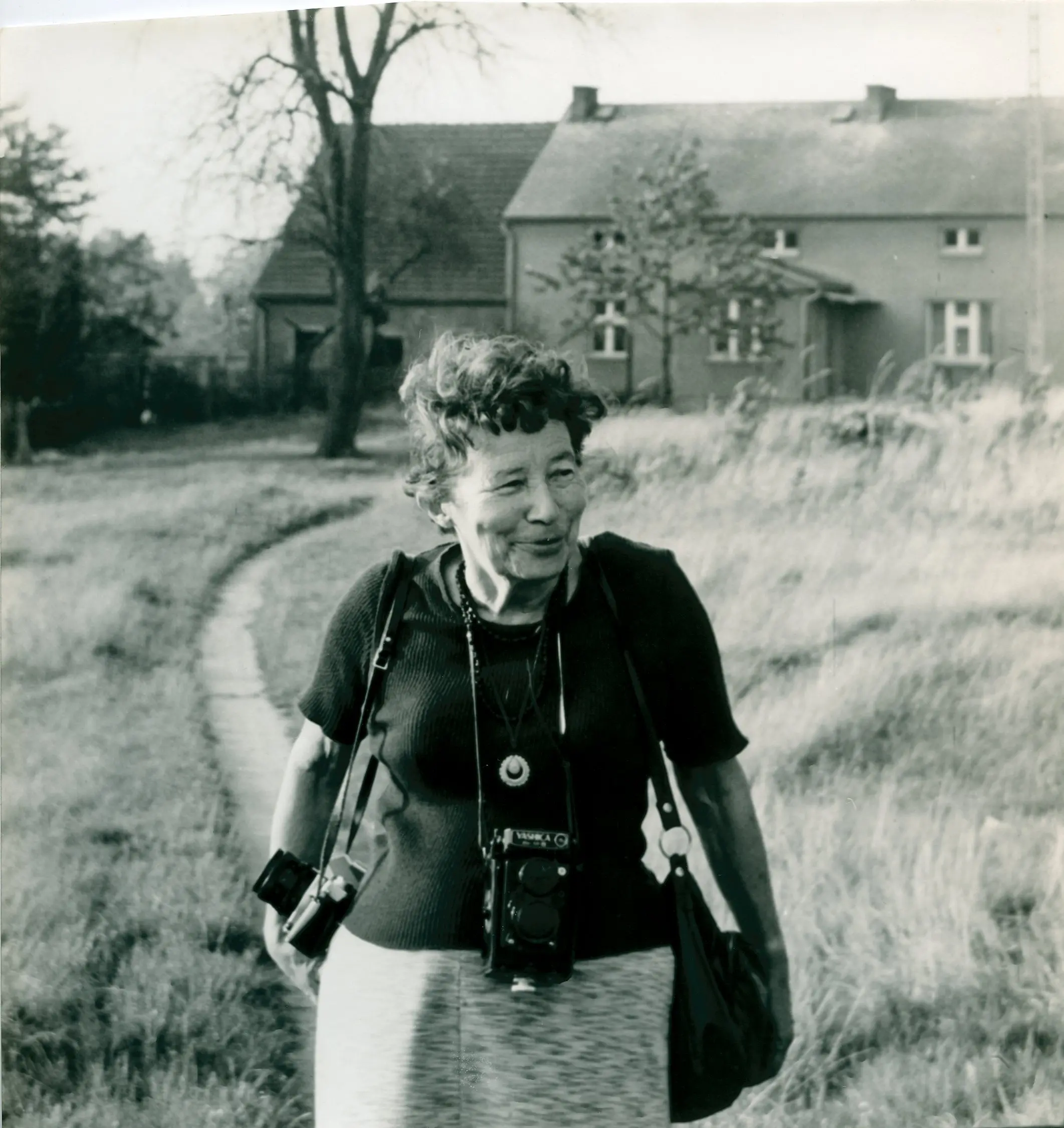
By the time Zofia Rydet began her greatest work, she was already in her sixties, an age when most photographers might be reflecting on what they’ve accomplished, not setting out to capture an entire nation. Yet that’s exactly what she did. From the late 1970s until a few years before the end of her life, Rydet roamed through towns and villages across Poland, camera in hand, knocking on doors and asking to come inside.
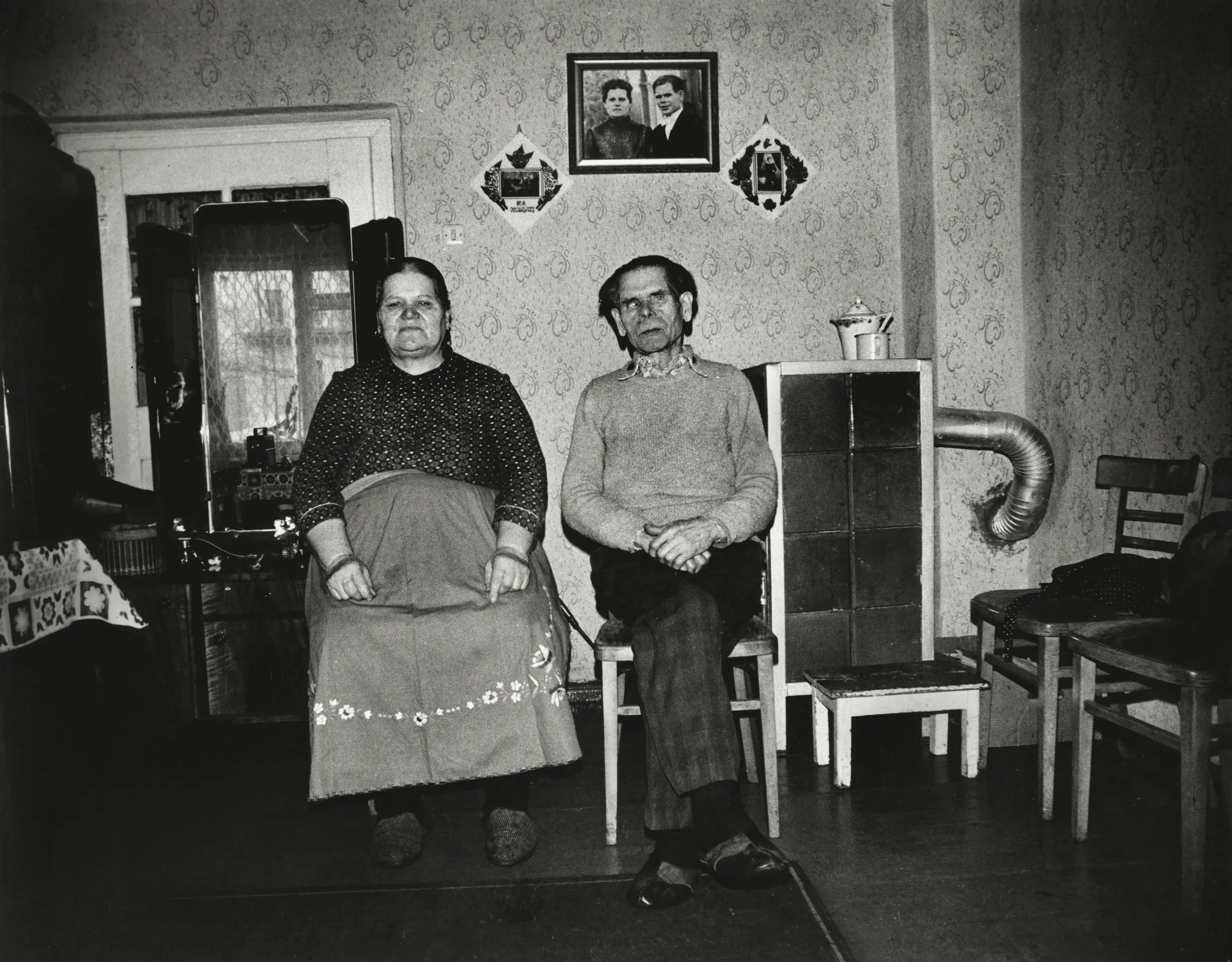
Her project, Sociological Record (Zapis socjologiczny), became one of the most extraordinary photographic archives of the twentieth century: over 20,000 black-and-white portraits, most taken inside a person’s home. The format rarely changed. Her subjects stand in their living rooms, surrounded by furniture, family photos, crucifixes, embroidery, clocks and wallpaper that tells as much of a story as their faces do. Every image is composed with the same direct flash, the same square frame, and the same feeling that time has briefly stood still.
At first glance, Rydet’s portraits might seem uniform, almost bureaucratic in their repetition. But look longer, and the sameness dissolves. You begin to notice the delicate individuality in each frame: the proud tilt of a chin, a mismatched chair, a child’s toy tucked behind an armchair. Each photograph becomes a world of its own.
“For me, photography is not just a visual image, but above all, a language I'd like to speak to ordinary people, not great artists. Photography's greatest value lies in its informative role, its content – not in its transient artistic endeavours. The more my "Record" grows, the more I believe it will have lasting value. I'm convinced I'm on the right track – I still have so many plans, just not enough life ahead of me...”
- Zofia Rydet
Rydet was born in 1911 in Stanisławów, a city that no longer exists as it once did. Over her lifetime, Poland’s borders shifted, wars came and went, and entire ways of life vanished. Perhaps that’s why she photographed with such urgency. She once said she wanted to “save people from disappearing,” and in Sociological Record, that impulse becomes visible. Her archive reads like a collective portrait of Poland on the brink of transformation, the last breaths of a rural and domestic culture before modernity swept through. “I can already see the difference now, three or four years later – the huts are disappearing, being rebuilt... I miss the houses near Warsaw, but I'm afraid to go there...”
Before she began this monumental project, Rydet had already spent two decades photographing daily life: children playing in the streets, fishermen, women at markets. Her early images are tender and human, often filled with humour. But in the late 1970s, she found her true calling. Carrying her medium-format camera and a small flash, she entered the homes of strangers, sometimes by invitation, sometimes by bold insistence, and created what she saw as a kind of “photographic sociology.”
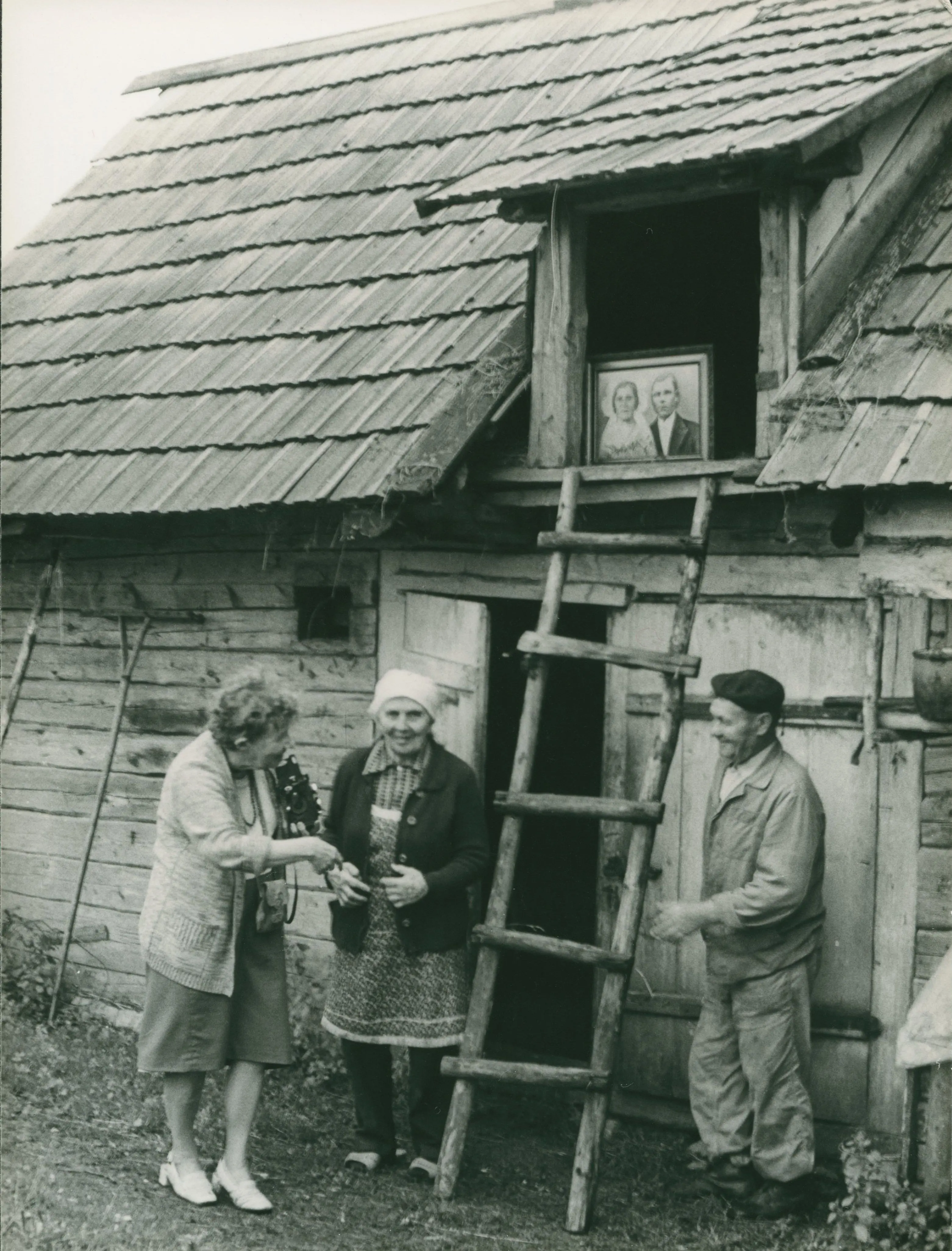
What’s remarkable is that Rydet’s approach, while systematic, never feels cold. Her use of flash flattens space so that every detail, faces, furniture, wallpaper and light becomes equally significant. It’s as if she believed that the soul of a person might just as easily reside in the pattern of a curtain as in their expression.
Her images speak not only of individuals but of collective identity: Polish Catholic iconography, working-class aspiration, domestic pride. And beneath it all, the quiet ache of time passing. In one photo, a couple stands shoulder to shoulder beneath their wedding portrait, two images separated by decades, yet bound by the same gaze. In another, a young boy stares directly at the camera, his future still unwritten.
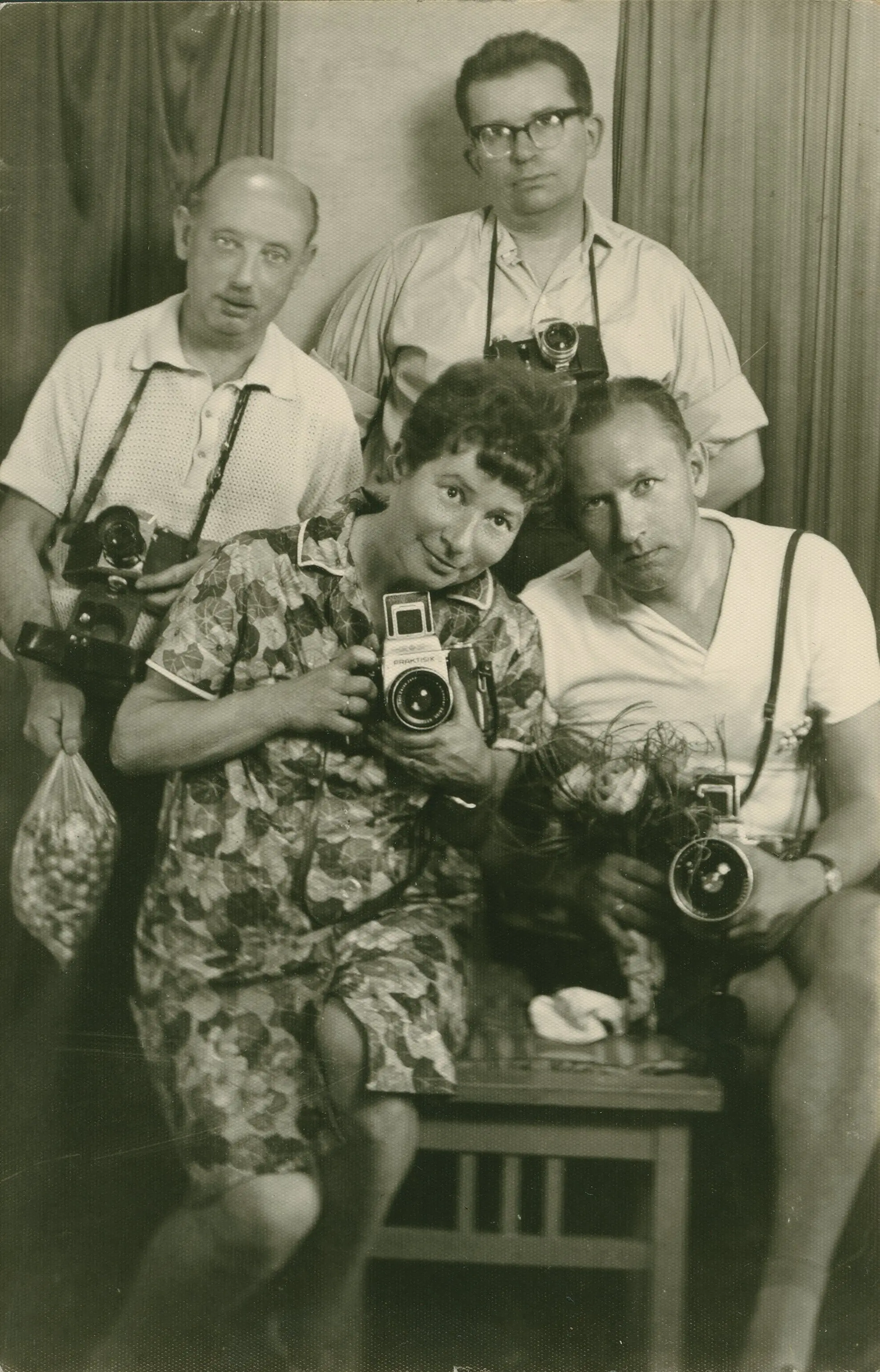
Rydet continued photographing well into the 1980s, often assisted by younger artists who recognized the importance of what she was building. She never considered the project finished; how could she? The very premise, recording the human condition through its domestic spaces, was infinite by nature. When she died in 1997, she left behind a sprawling, incomplete monument to ordinary lives.
“I know some people think I'm hypocritical, self-serving, telling these people they're beautiful. But I truly see something interesting, beautiful in every person, and I'm captivated by something worth preserving – especially the wonderful human stories I hear during these visits. Each person is a story in itself, some very interesting, some instructive, sometimes moving...”
- Zofia Rydet
Today, in an age when we document ourselves endlessly but often forget what those images mean, Rydet’s work feels newly vital. Her archive is a reminder that photography can still be an act of devotion, a way of saying I see you, and you matter. Rydet didn’t just photograph people; she photographed the fragile dignity of being human. And in doing so, she built a record not just for Poland, but for all of us; an unfinished atlas of memory, tender and eternal.


