“When you are in a place where everybody dances, you have to try to dance like everyone else!”
- Sanlé Sory
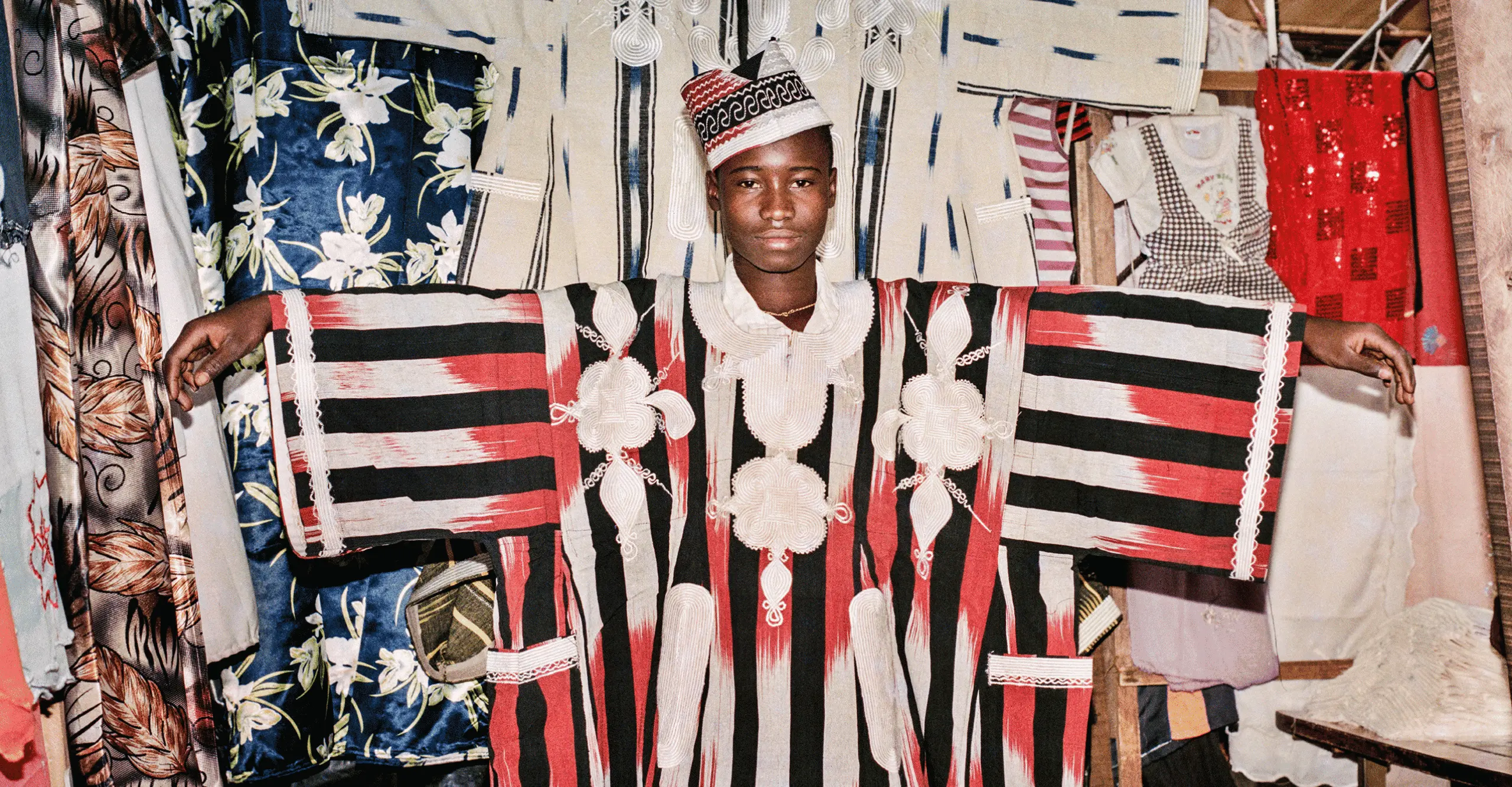
One of West Africa’s most prolific photographers, Sanlé Sory (b.1943, Burkina Faso) took an estimated million portraits, over six decades, showing the profound social and political changes in Burkina Faso. Colour Years captures a lesser-known chapter of his career. His colour prints, meticulously restored from the negatives in his archive, will be on show, alongside Volta Jazz record covers featuring his portraits of the influential bands that flourished after Burkina Faso’s independence.
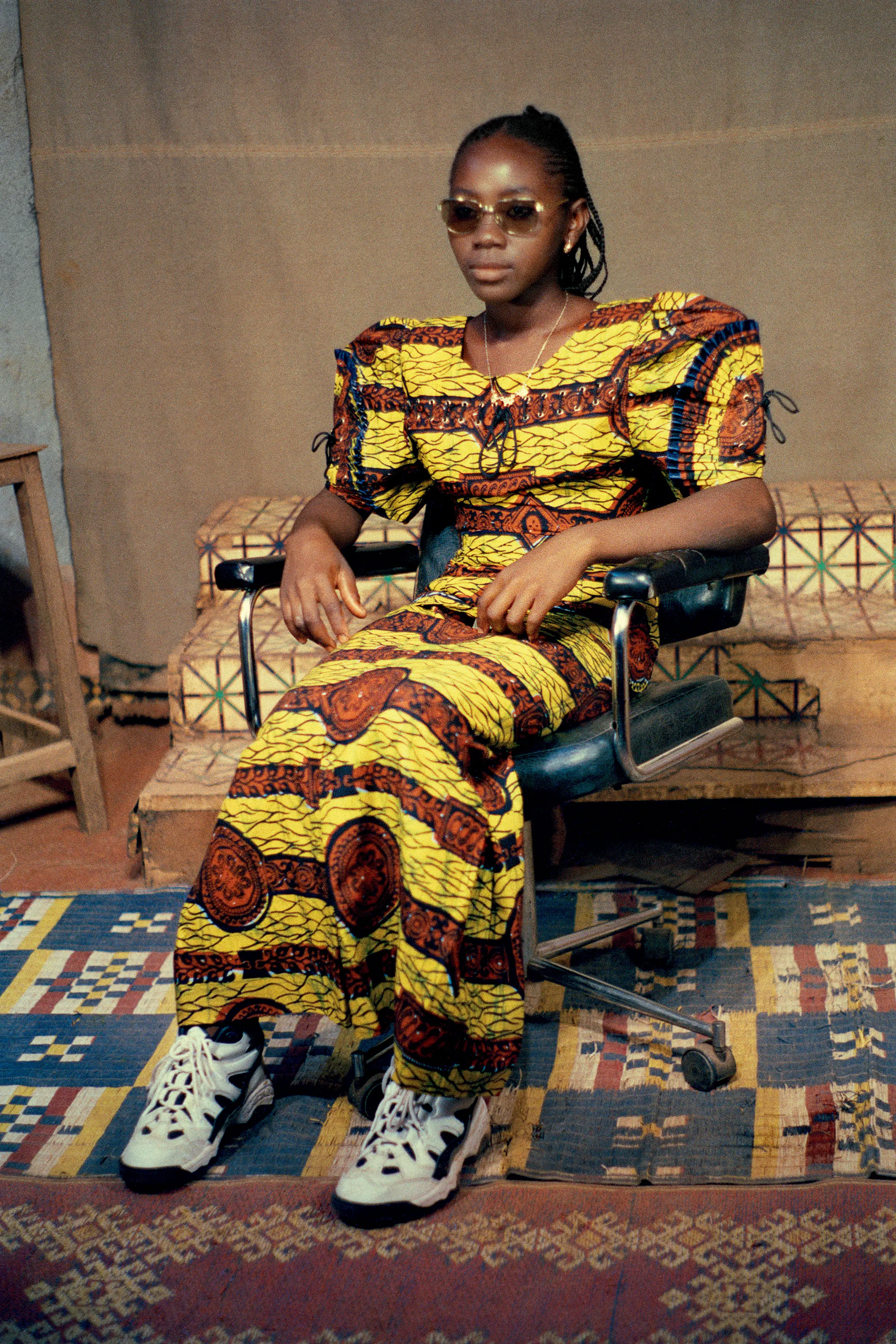
Sanlé Sory, Volta Photo Studio, Bobo-Dioulasso, Burkina Faso. © Sanlé Sory, 2026. Courtesy of Tezeta.
Better known for his black-and-white studio photography of the 1960s and 70s, Sanlé Sory started producing colour portraits in his Volta Photo studio in the mid-1980s. Colour Years reveals a dynamic portrait of a rapidly changing community and society in Burkina Faso across decades of political shifts, global exchange and self-expression through fashion, music and attitude.
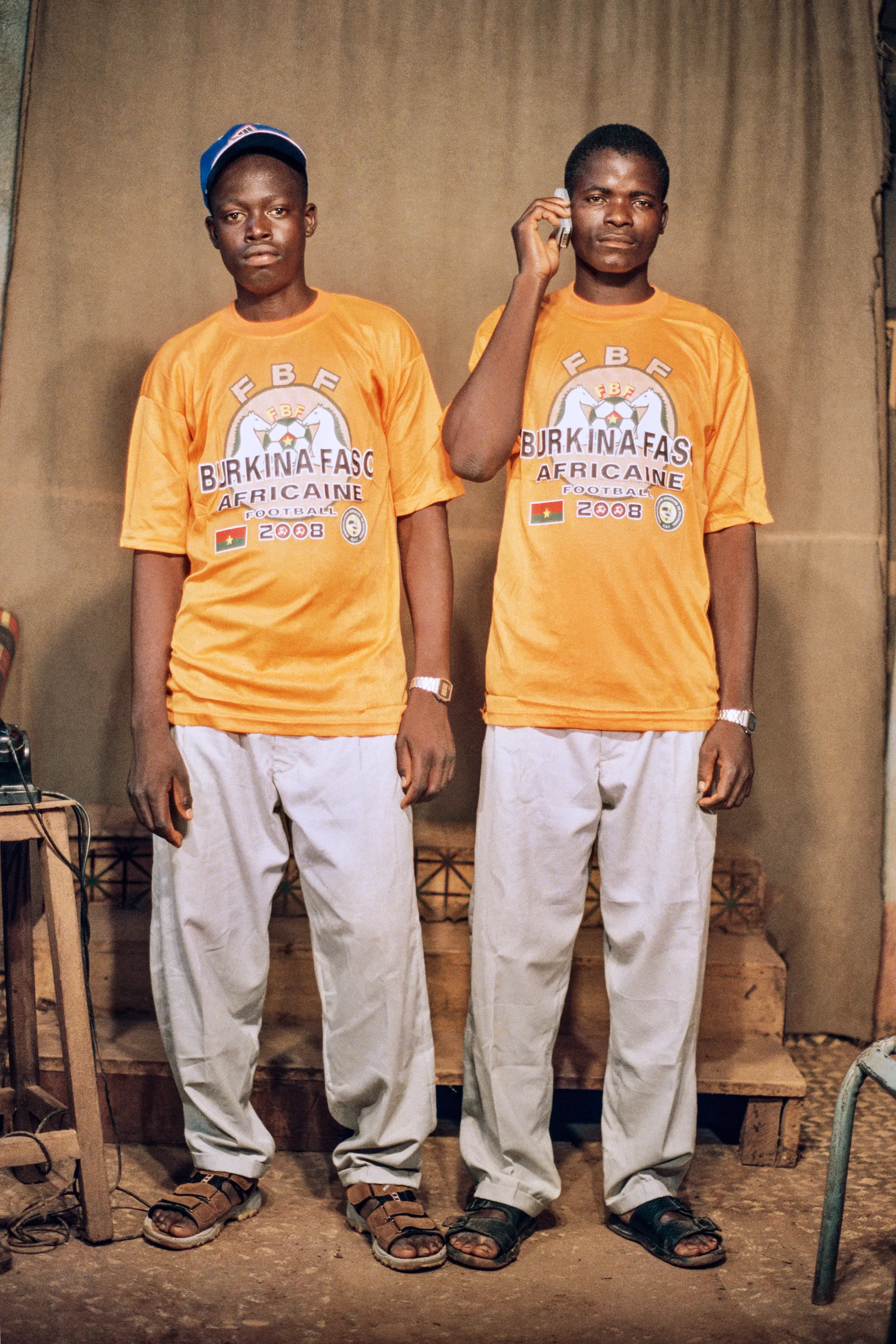
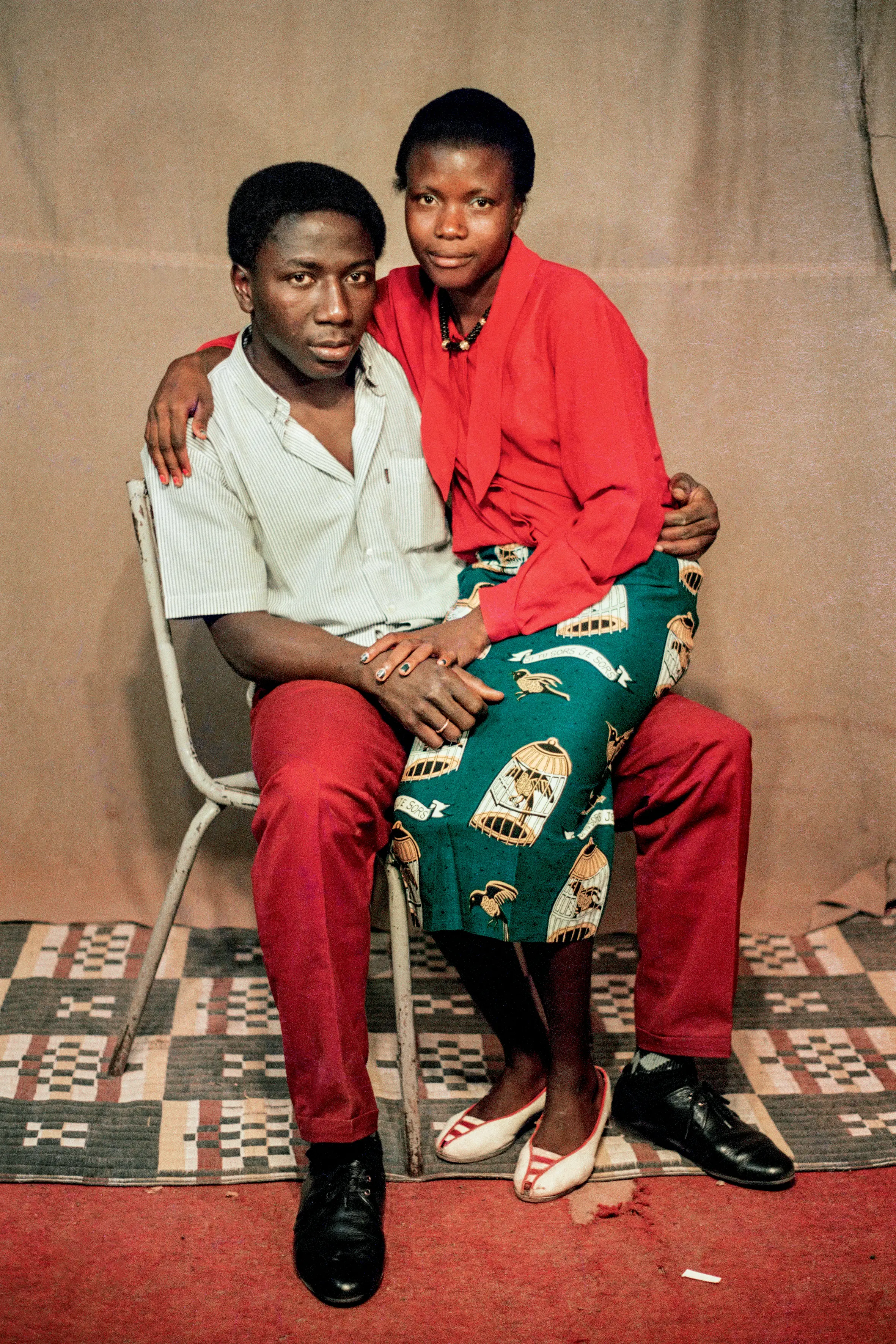
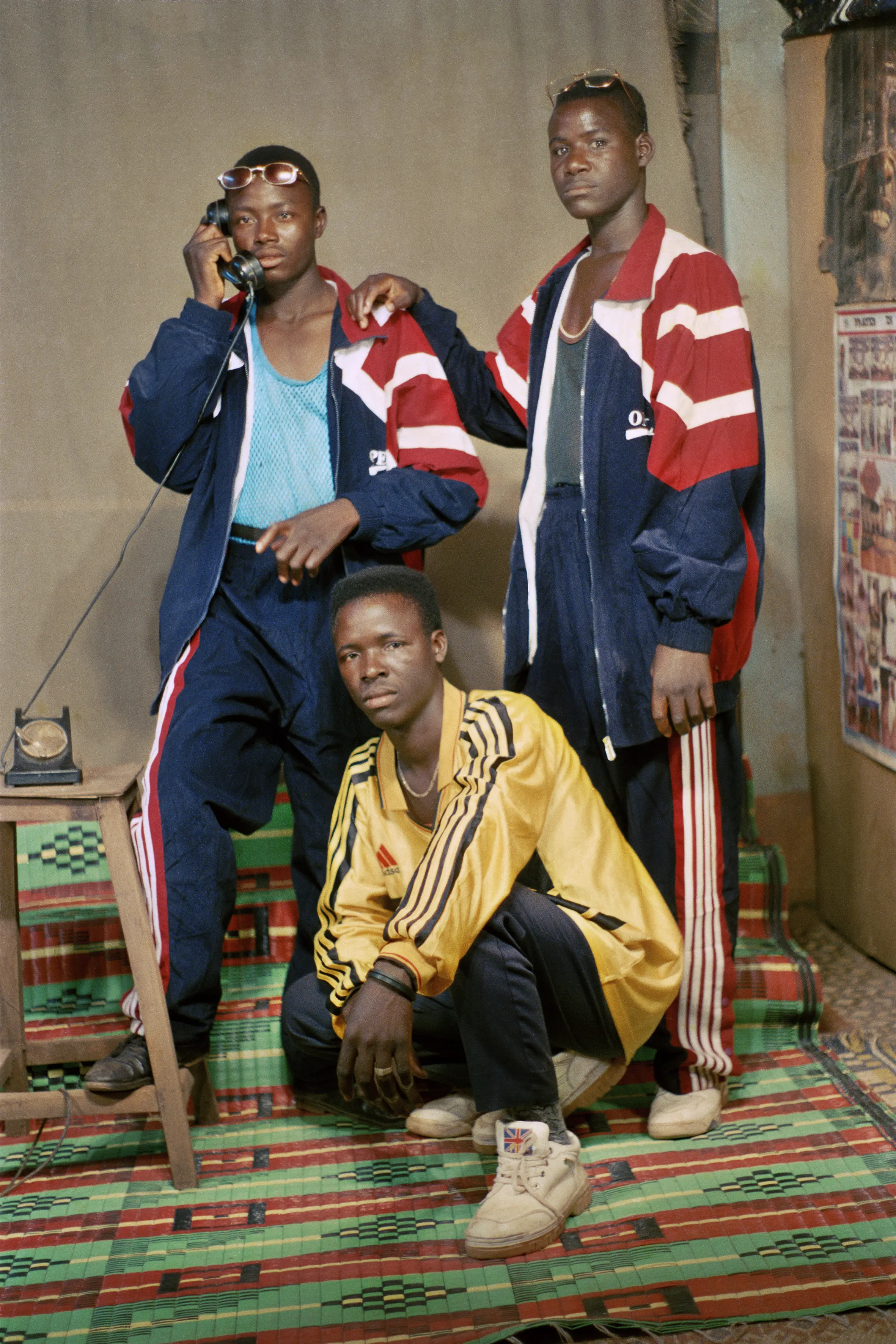
From studio portraits of families, couples and friends, to identity photographs and portraits of traders and shopkeepers in the local market, Sory's photographs are a vivid portrait of a country in transition and a community ready to embrace change.
Get to know Sanlé Sory
Sanlé Sory (b. 1943) is a Burkinabé photographer best known for the exuberant black and white studio and nightlife photographs he made in Bobo-Dioulasso from the 1960s. He fell in love with photography when he first posed for his ID picture. After his three year apprenticeship, he opened the Volta Photo studio in 1960 — the same year Upper Volta (now Burkina Faso) was navigating independence — and there he built his business that mixed formal studio portraiture with on-the-street reportage of the city’s music, dance halls and youth culture.
Working in primarily black and white photography, Sory used colour techniques for specialised commissions. He commissioned his studio backgrounds with Ghanaian decorative painters and asked his subjects to bring props to the shoots. These pictures (or ‘souvenir photo’ as phrased by Okwui Enwezor) document a post-colonial moment of style, aspiration and social freedom in West Africa.
Though his work was little known internationally for decades, Sory’s photographs have been the subject of major exhibitions in recent years; including Volta Photo: Starring Sanlé Sory and the People of Bobo-Dioulasso at the Art Institute of Chicago in 2018 with a Steidl catalogue, Volta Photo . His photographs, which draw frequent comparison to contemporaries like Seydou Keïta and Malick Sidibé, are now included in museum collections and galleries worldwide.
Sory’s most widely-circulated images were made decades earlier — his celebrated Volta Photo portraits and the “bals poussières/dust balls” photos date primarily from the 1960s to the 1980s. Sory turned to colour in the mid-1980s, using 24x36 film and Olympus or Konica cameras.
Sanlé Sory: Colour Years is curated by Taous Dahmani, Curator at The Photographers' Gallery, and produced by The Photographers' Gallery.
With thanks to Florent Mazzoleni and the Sanlé Sory Archive for the generous loan of the works and to Sanlé Sory for his collaboration.
Prints of Sanlé Sory’s works in the exhibition will be available for sale in the Print Sales Gallery.
Two new books Sanlé Sory (Phaidon) and Volta Colour (GOST) will be published in October 2026 and available to buy in our bookshop.


