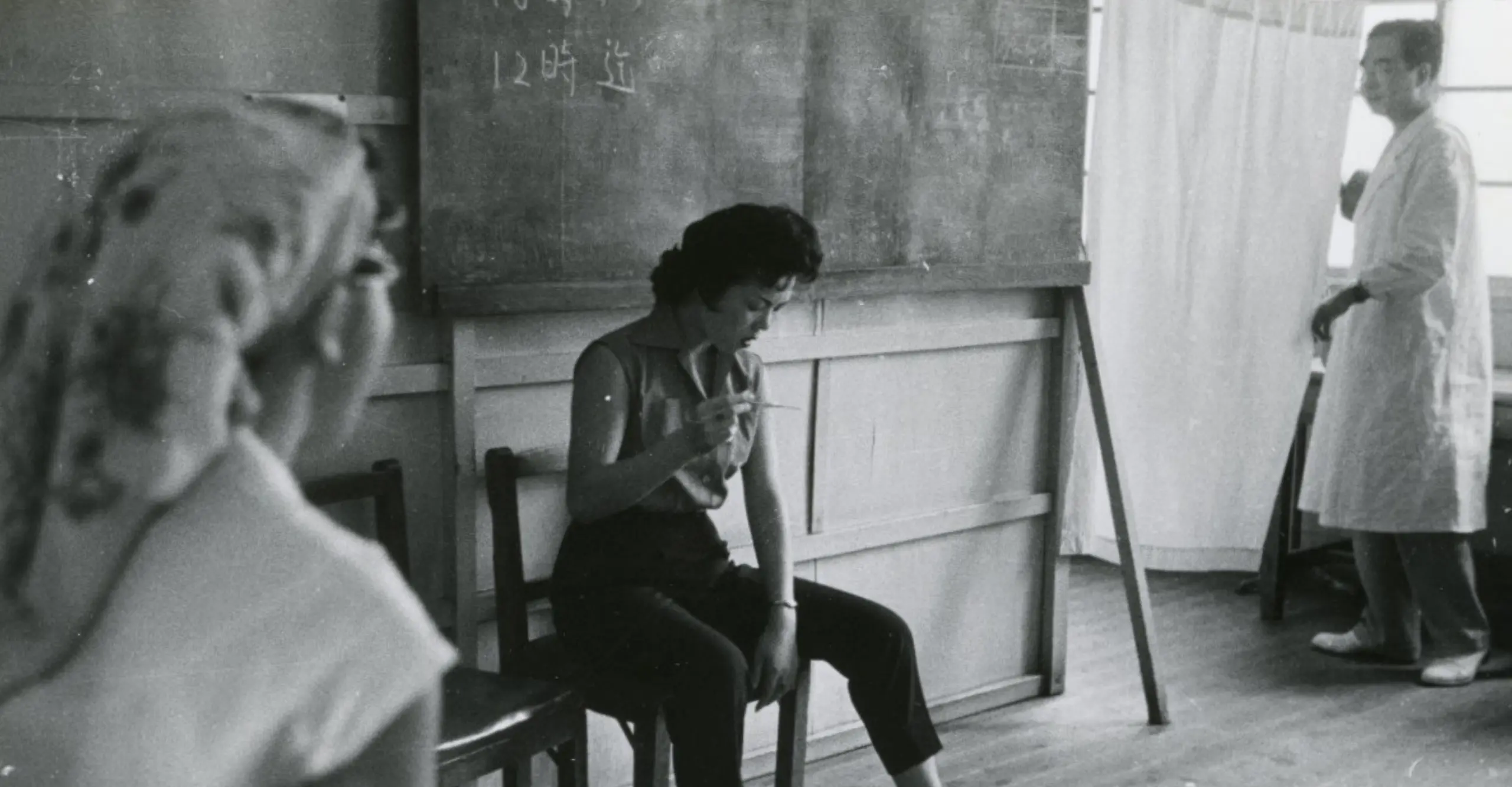
1956 – TOKIWA Toyoko holds her first solo exhibition Hataraku josei (Working Women) at the Konishiroku Gallery in Tokyo.
TOKIWA brought a rare empathy to postwar Japanese photography. Growing up near the US military base in Yokohama, she turned her camera towards the lives of women navigating the complexities of occupation, social change and economic survival.
Best known for her photographs of women working in nightlife districts, TOKIWA was one of the few photographers who challenged the stereotypes and stigma surrounding her subjects, portraying them with dignity, agency and nuance. A participant in the landmark 1957 exhibition Jūnin no me (Eyes of Ten), she remains an important voice in the history of Japanese photography and a pioneering chronicler of women's experiences in postwar Japan.
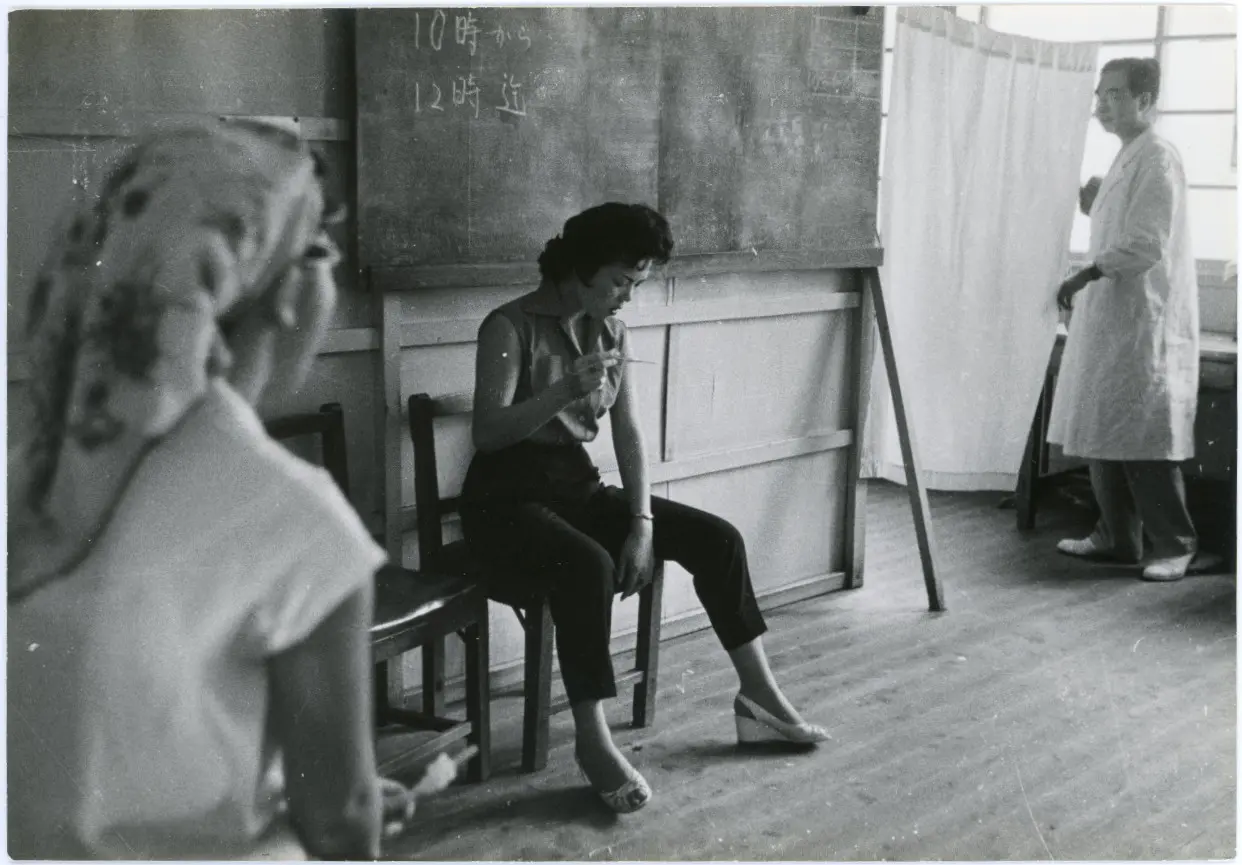
TOKIWA Toyoko, Waiting Room of Byobugaura Prefectural Hospital, 1956. Courtesy Museum of Yokohama Urban History and Aperture
1968 – Massive student protests against the Vietnam War, rising tuition fees and the US-Japan Security Treaty.
The late 1960s saw some of the largest protest movements in postwar Japanese history, as students mobilised against the Vietnam War, rising tuition fees, university governance and the renewal of the US–Japan Security Treaty. Demonstrations spread across the country, leading to campus occupations, clashes with police and the temporary closure of dozens of universities. The movement's influence extended beyond politics, helping to reshape debates around education, democracy and gender, while leaving a lasting mark on Japanese culture.
WATANABE Hitomi was among the most important visual chroniclers of this moment. After enrolling at the Tokyo College of Photography in 1967, she immersed herself in the streets of Shinjuku, then the centre of Tokyo's burgeoning counterculture and anti-war activism. Between 1968 and 1969, she documented the Zenkyōtō student movement from within, photographing the occupation of the University of Tokyo and the longest and most influential student uprising of the era. As one of the very few women photographers working on the front lines, WATANABE captured both the intensity of political struggle and the everyday lives of those involved, producing an invaluable record of a generation seeking radical social change.
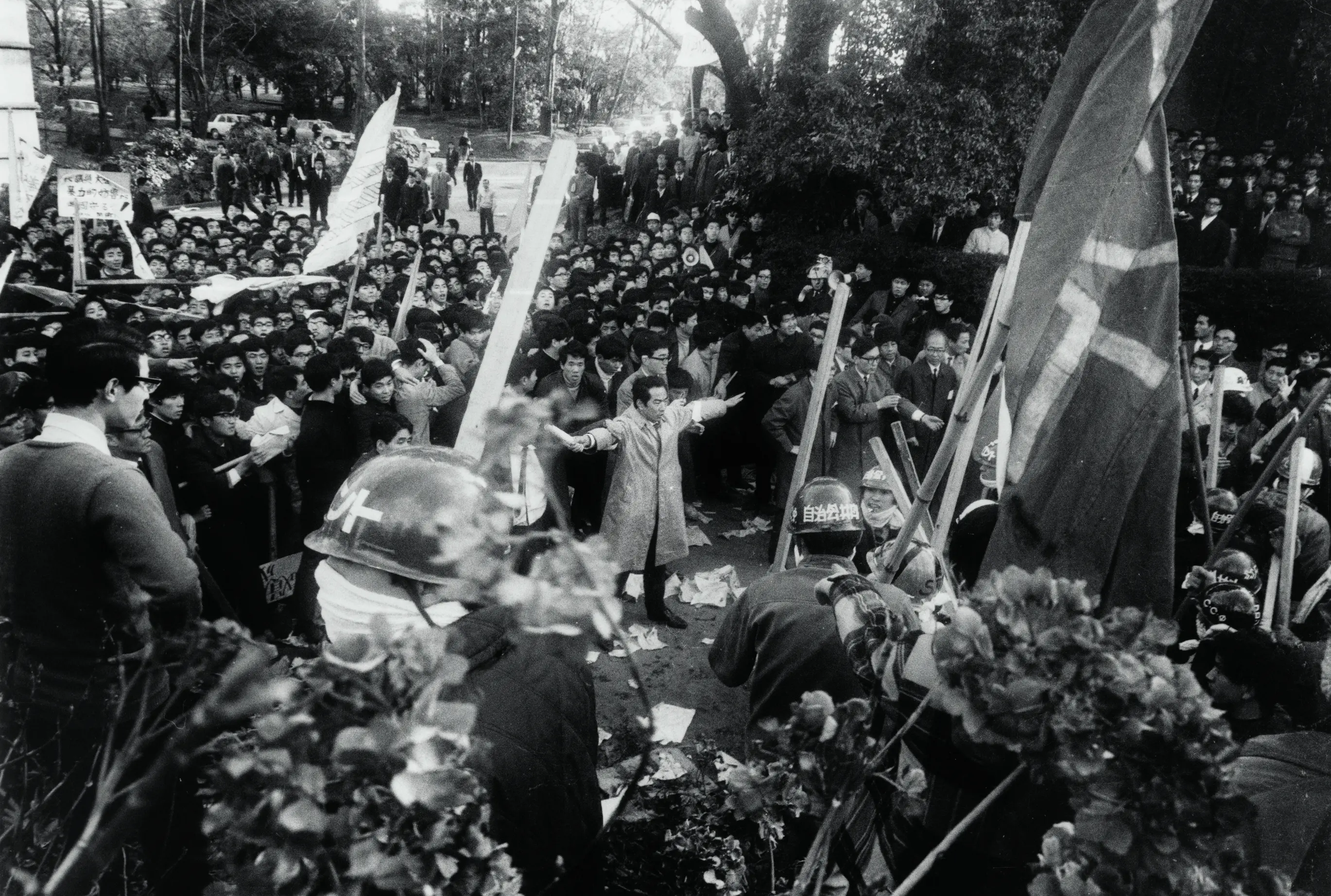
WATANABE Hitomi, Untitled, 1968–69; from the series Tōdai Zenkyōtō. Courtesy Zen Foto Gallery, Tokyo; Galerie Écho 119, Paris; and Aperture
1986 – The Equal Employment Opportunity Law takes effect, prohibiting gender discrimination in the workplace and encouraging a greater number of women to pursue careers, including in photography.
The introduction of the law marked an important step towards greater gender equality with the cultural impact widening far beyond the workplace. The years leading up to the 1990s saw a growing number of women photographers gaining visibility and critical acclaim, often turning the camera towards their own lives, relationships and experiences.
Among the most influential was HIROMIX, whose candid self-portraits/selfies and snapshots of everyday teenage life became a cultural phenomenon. Her bestselling 1996 photobook I’m Hiromix: Girls Blue captured the voice of a new generation and helped popularise a diaristic style associated with the “Girlie Photo” movement. While the label often reduced women's work to notions of cuteness and amateurism through scrutinous discourse, fresh-on-the-scene photographers like HIROMIX expanded the possibilities of photographic self-expression, inspiring countless young women to see their own lives as worthy artistic subjects.

HIROMIX TM, Hiromix: Girls Blue, Tokyo: Rockin’ on 1996. Courtesy the artist
1991 – The number of women enrolled in photography programmes at universities begins to equal men.
The early 1990s saw a new generation of women step into focus, signalling a significant shift in access to photographic education and professional opportunities. As shown in the exhibition Make-believe: Contemporary Photography from Japan at The Photographers’ Gallery in 1991, which introduced British audiences to a new wave of Japanese photographic practice.
Among the artists included were ISHIUCHI Miyako and KON Michiko, whose work challenged conventional representations of gender, memory and identity. They reflected the increasing visibility of women photographers at a moment when Japanese photography was gaining global attention. The decade that followed would see women emerge as some of the most influential voices in photography.
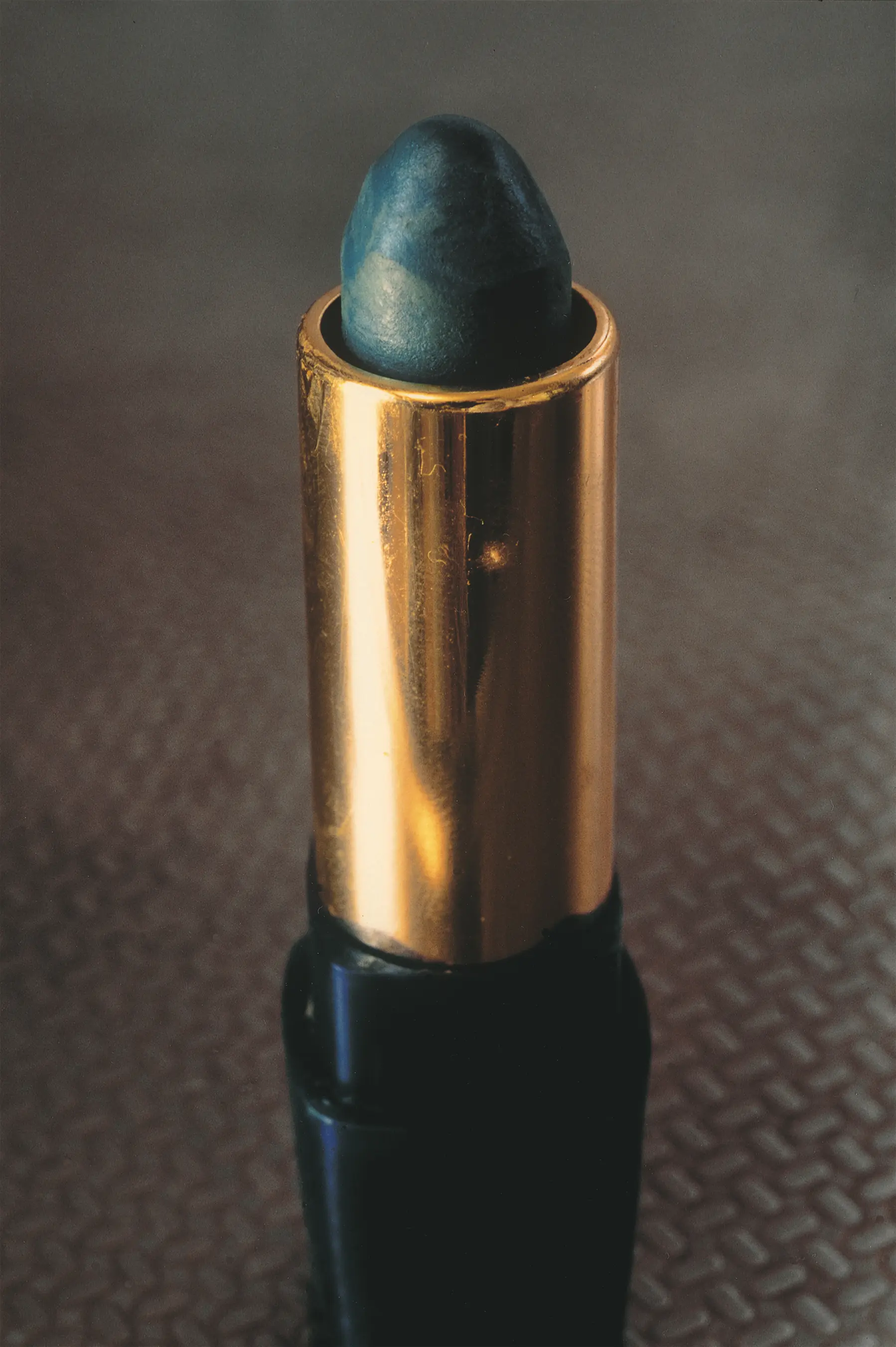
ISHIUCHI Miyako, Mother’s #39, 2002 Courtesy Third Gallery Aya, Osaka, and Aperture
2006 – The TOP Museum’s ISHIUCHI Miyako exhibition is the first solo show by a Japanese woman photographer held at the museum.
This landmark exhibition was the first in the Tokyo museum’s history and, importantly, it was entered into its vast historical archive. The milestone reflected both ISHIUCHI’s growing international reputation and the increasing recognition of women’s contributions to Japanese photography.
ISHIUCHI first gained acclaim for her powerful photographs of Yokosuka, her hometown and a major US military base, where she explored the lasting social and physical traces of postwar occupation. Throughout her career, she has combined personal experience with broader questions of memory, gender and history. By the time her TOP Museum exhibition opened, her celebrated series Mother’s, which transformed her late mother’s belongings into intimate portraits, had already represented Japan at the 2005 Venice Biennale. Today, ISHIUCHI is widely regarded as one of the most influential figures in contemporary Japanese photography.
Explore the full timeline in our exhibition Japanese Women Photographers: From 1950s to Now, open until 27 September 2026.