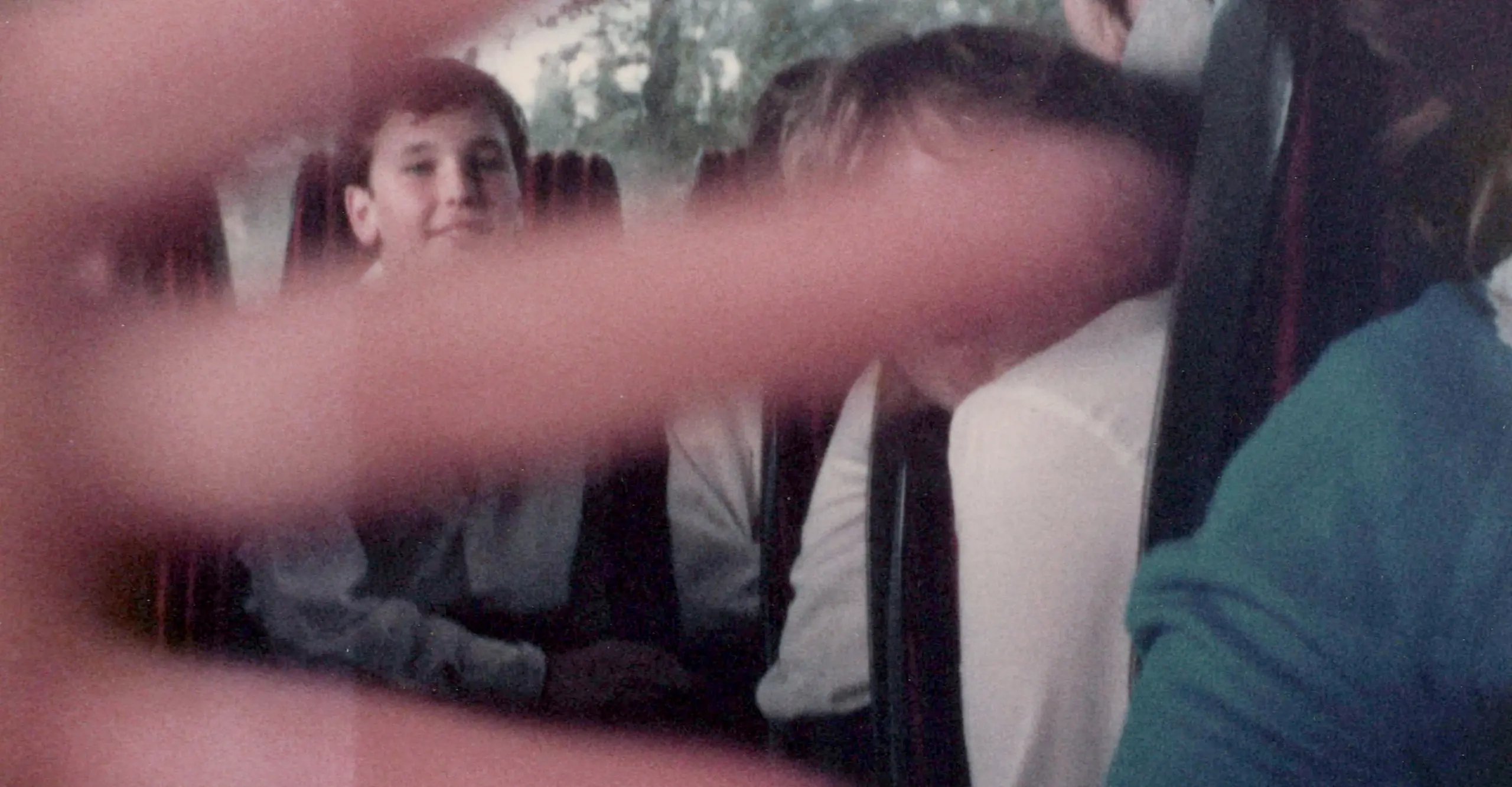
Snap Happy! and your book Whippersnappers are the results of your research into the history of children as photographers. What sparked your interest in this area?
25 years ago, I handed my cheap plastic film cameras to my two-year-old. I was intrigued to see what she did with them, both the subjects she focused on (intense close-ups of animals and toys) and how she seemed to have learned to use the camera without ever reading a manual. Alongside, as an art and design historian, I have researched popular photography for over 20 years. Archives that I consulted often revealed tantalising glimpses of photographs by children, however the history of photography by children is under-researched. Cameras have long been marketed to children, most famously with Kodak’s Box Brownie camera from 1900, but I wanted to know: where were the photographs that children took?
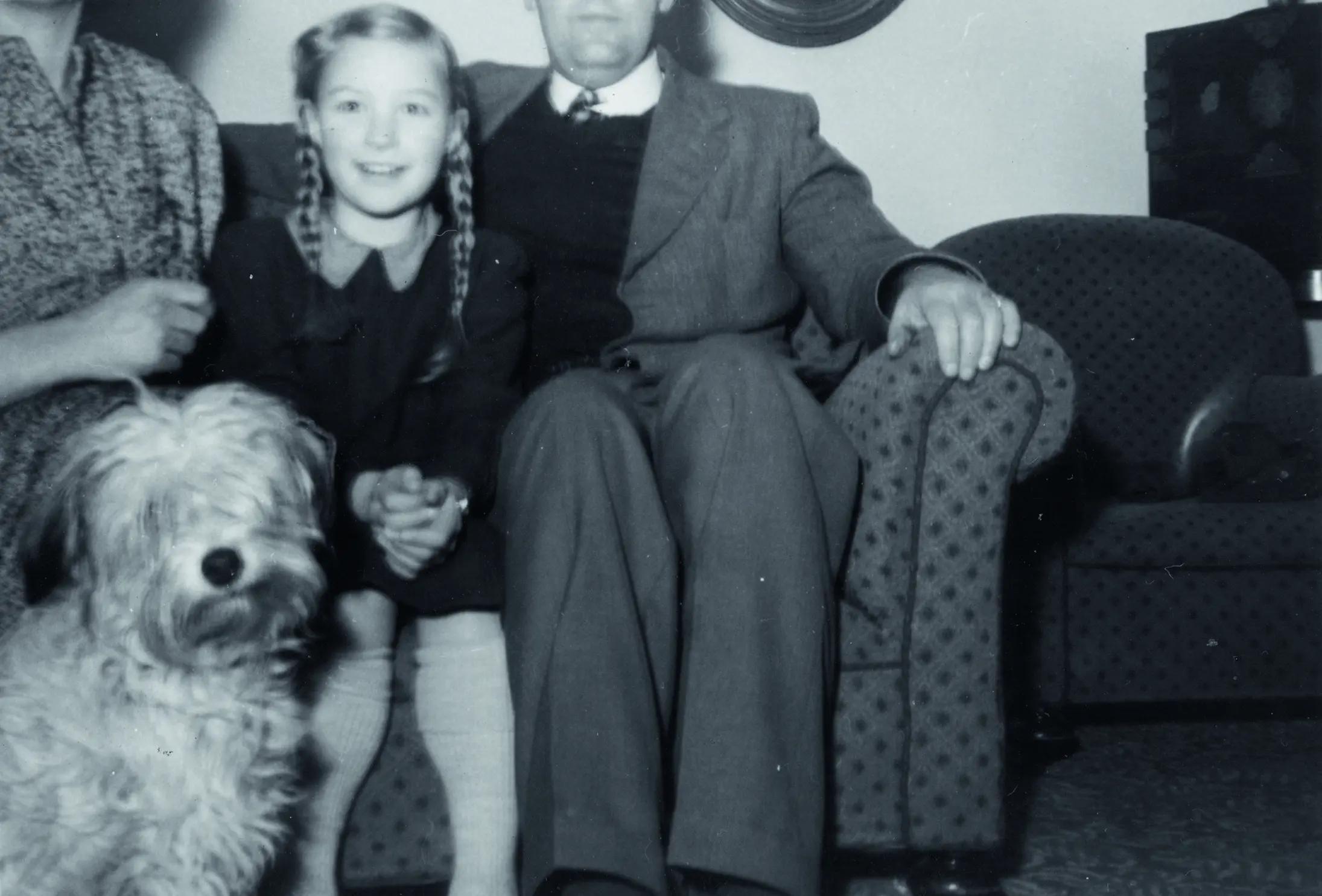
Peter Harvey, Family portrait, c. 1960
What did you discover in your research that especially surprised or intrigued you?
Long before smartphones were slipped into pockets, cameras in classrooms enabled children to capture informal, and often furtive, photographs of teachers. From the 1950s onwards, these moments of daring enabled children to feel a little bit of power in school where they might otherwise feel powerless. The photos also show classrooms and teaching styles long gone, from blackboards and chalk to lecterns and gowns. I love these cheeky portraits, and the way they show a child’s world.
I also loved discovering the mostly-forgotten girl photographer heroines in girls’ comics and annuals from the 1950s to the 1980s. Even if girls didn’t have cameras of their own, they could identify with the adventurous exploits of these fictional female figureheads, like Camera-Mad Carole and Snap-Happy Hetty. These characters used their cameras to capture criminals and unmask fraudsters. They often did so in fantasy settings, as intrepid photojournalists, aerial photographers or camera-toting deep-sea divers. What thrills!
Did you find any differences in how girls and boys were involved with photography?
Children’s photography, for a very long time, was dominated by boys. Boys’ and girls’ education and hobbies were gender segregated for so long in Britain. At least until the 1960s (and beyond) girls and boys were addressed differently and had different expectations applied to them. Because of photography’s association with science and technology, cameras were often put only into the hands of boys. Camera clubs flourished in boys’ schools but were very limited in girls’ schools, and camera companies spent more money and effort on promoting photography to boys. By the end of the twentieth century, however, this bias fundamentally changed. By the 1990s, Kodak discovered that girls were the keenest photographers, so their marketing put girls at the centre of the story.
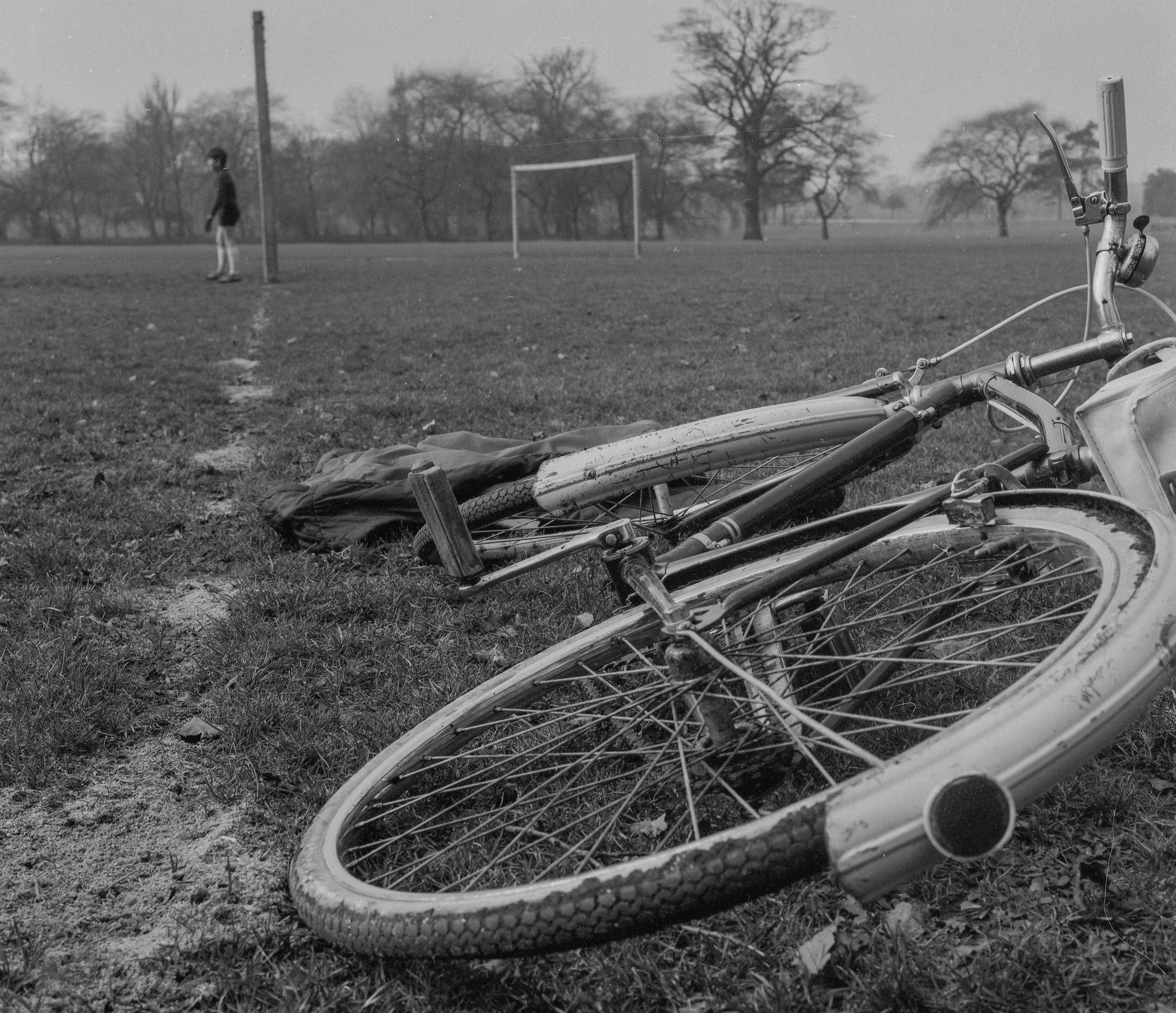
Untitled (still life of doll, pram and spade), 1979
You’ve studied thousands of photographs over decades. Have you found any enduring themes?
From the 1890s to the 1990s, pet portraits were abundant. In the photos I collected from former child photographers, I found a pet terrapin on the balcony of a South London tower block in the 1960s and a hamster travelling in the family car for a holiday to the Isle of Wight in the 1970s. Toys are also popular as children’s subjects, from model boats to My Little Ponies, from Barbies to Furbies. There are low-level depictions of toy trains hurtling around the tracks, Action Men doing manoeuvres up the back of the sofa, and still lifes with Tiny Tears.
Photography, across more than a century, has provided a unique means for children to gain a sense of autonomy and to express themselves and their worlds on their own terms. So many accounts that I have collected show how children used photography to negotiate their way around the moral demands of parents and teachers. For some, this meant challenging authority with their cameras. For others, it meant demonstrating their maturity to earn the trust to be permitted to handle precious, fragile and sometimes expensive devices.
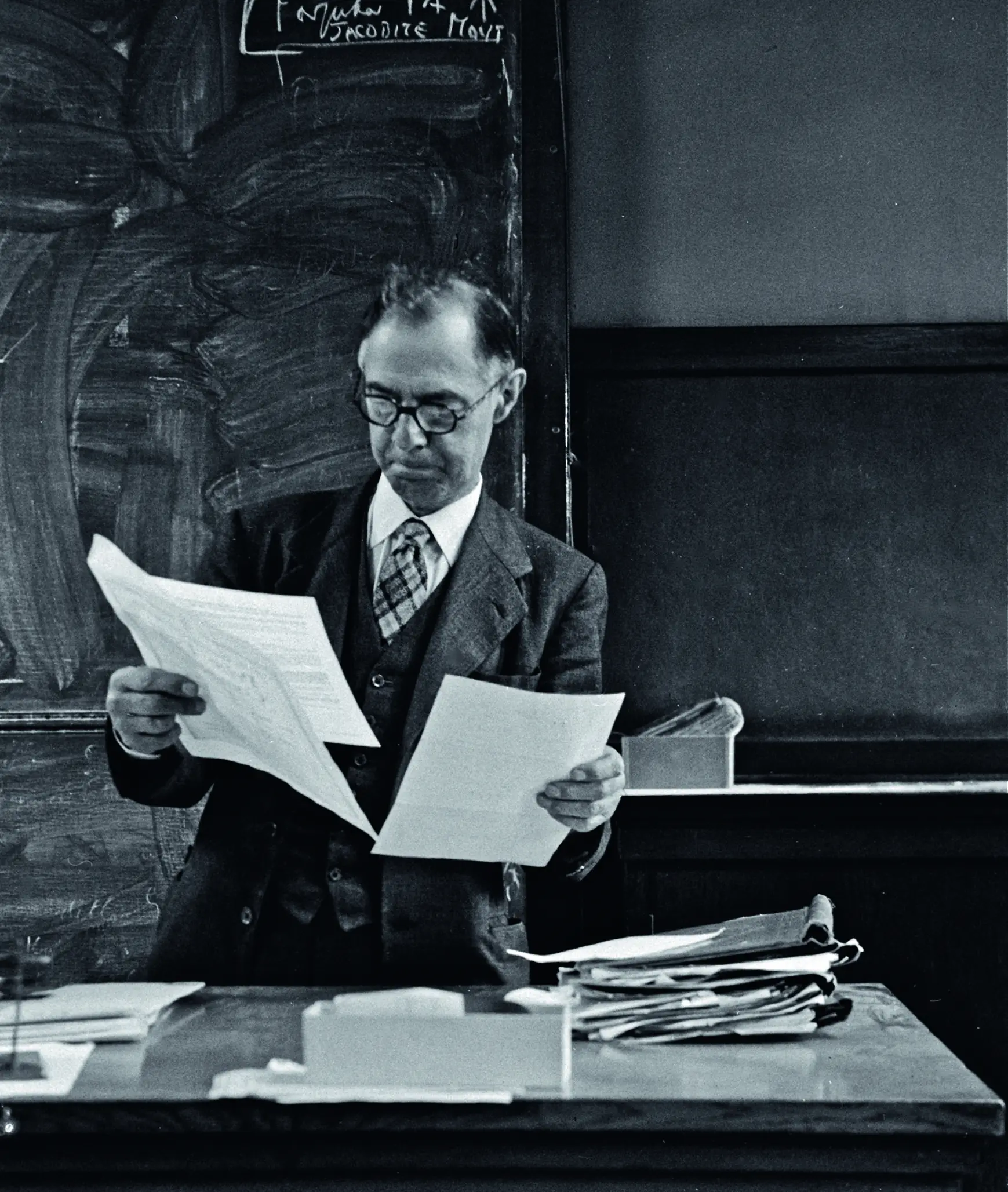
“Willie Gould”, “The Mogul”, Head of History, 1958-59
What are you most excited about in the Snap Happy! exhibition?
Snap Happy! at The Photographers’ Gallery brings my book Whippersnappers to life. I hope the images and stories in the book and exhibition will stimulate memories for readers and visitors about their own early encounters with photography. In the gallery, you will see photos taken by children alongside newsreel footage, advertising and manuals promoting photography to children, as well as children’s photographic toys and cameras. Much of the material comes from my own collection and I’m excited to be able to show it publicly for the first time. Snap Happy! is a three-dimensional encounter with the moving, surprising and playful aspects of children’s photographic history.
Whippersnappers: How Children Became Photographers by Annebella Pollen, published by Four Corners Books, is out now!
Get to know Annebella Pollen
Annebella Pollen is a cultural historian who researches curious and overlooked images and objects. She is the author of five previous books of art and design history, and is a Professor of Visual and Material Culture at University of Brighton.


