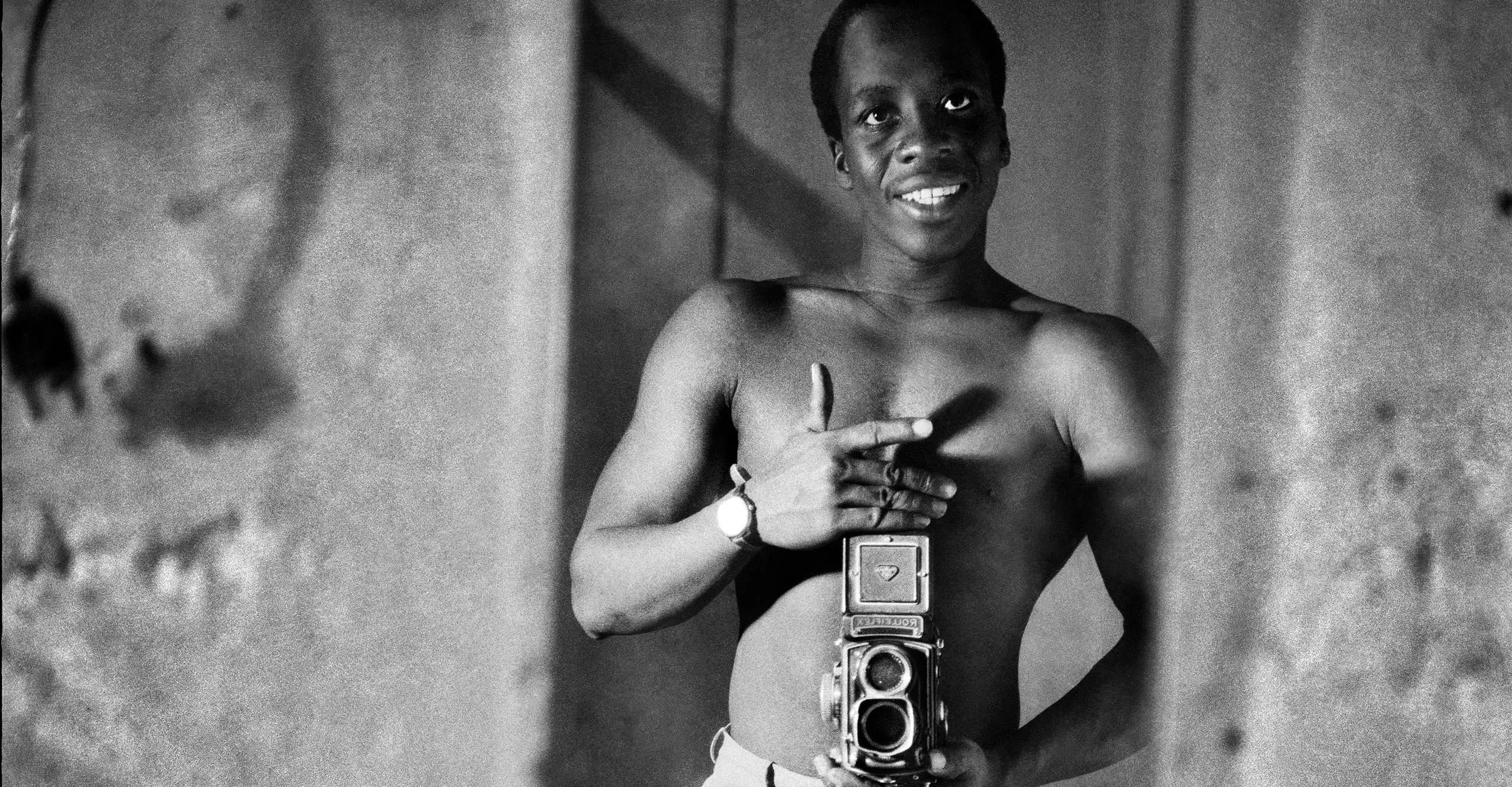
On starting out
Where I grew up, no one needed ID photos. Older relatives lived and died without them. It was another time. ID pictures were necessary only when you moved to a city; you had to register with the colonial authorities. That’s how I was first photographed, for an ID card that cost 200 francs for four pictures, in 1957. That was at Photo Luxe studio, owned by Grégoire Yaméogo in Ouagadougou, capital of what was then called Haute-Volta, a French colony. That sum was a lot of money back then. The moment I paid for those IDs, I thought it was a good-paying job and that I could possibly make a career of it. I wanted to be a photographer. If it wasn't for that, I wouldn't have become one.
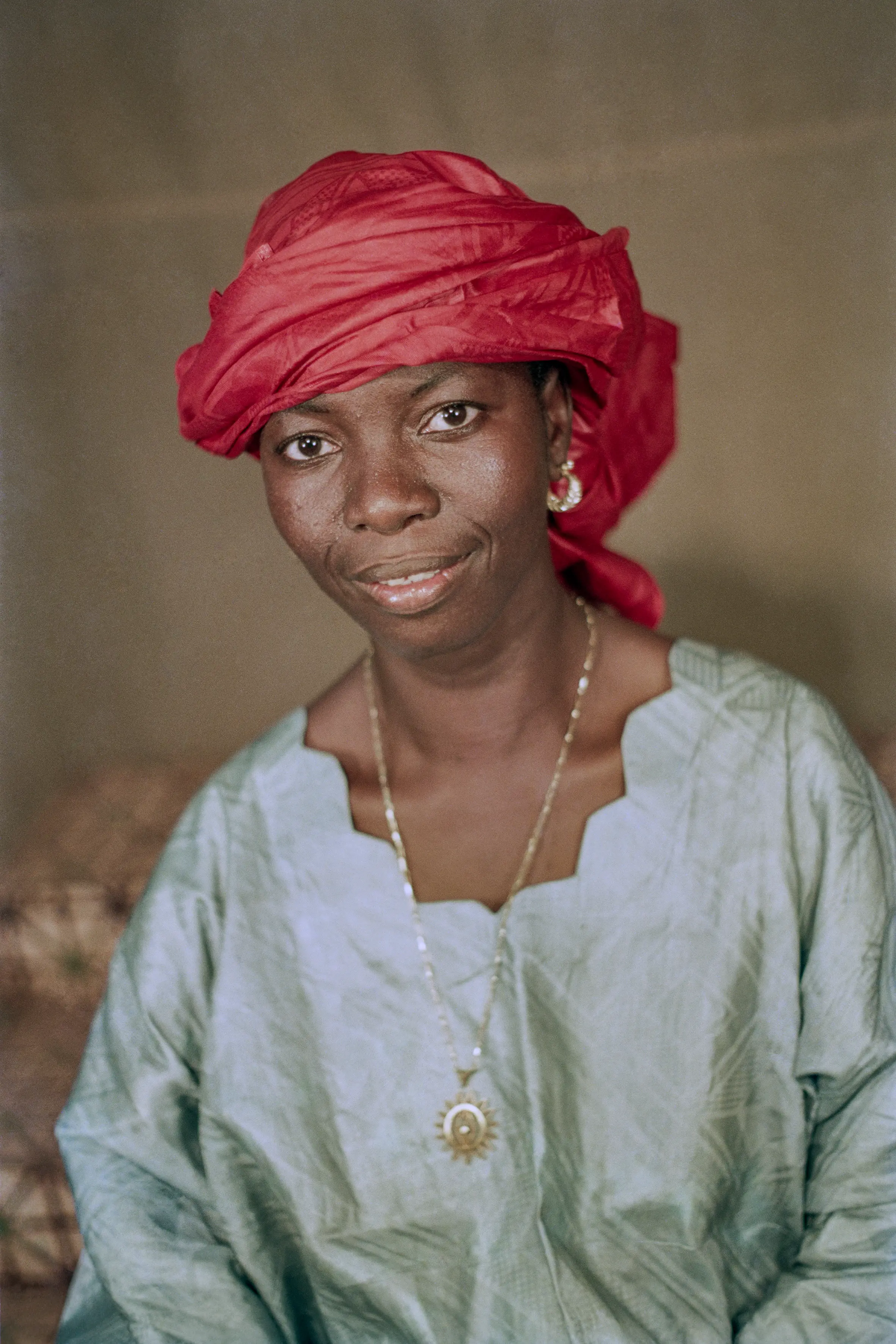
Sanlé Sory, Volta Photo Studio, Bobo-Dioulasso, Burkina Faso
On opening Volta Studio
By 1960, I could open my own photo studio. I commissioned my backdrops, working with Ghanaian painters who made decorative scenes. I paid for the fabric, then described the picture I wanted and they drew it on the spot. They usually came with ready-made designs, but later I came up with my own ideas – for example, the 'city backdrop'. I said I wanted a painting with 'Volta Photo' visible on the second floor. I described this and they drew it. I also used a red carpet, and later a chequered linoleum to welcome clients.
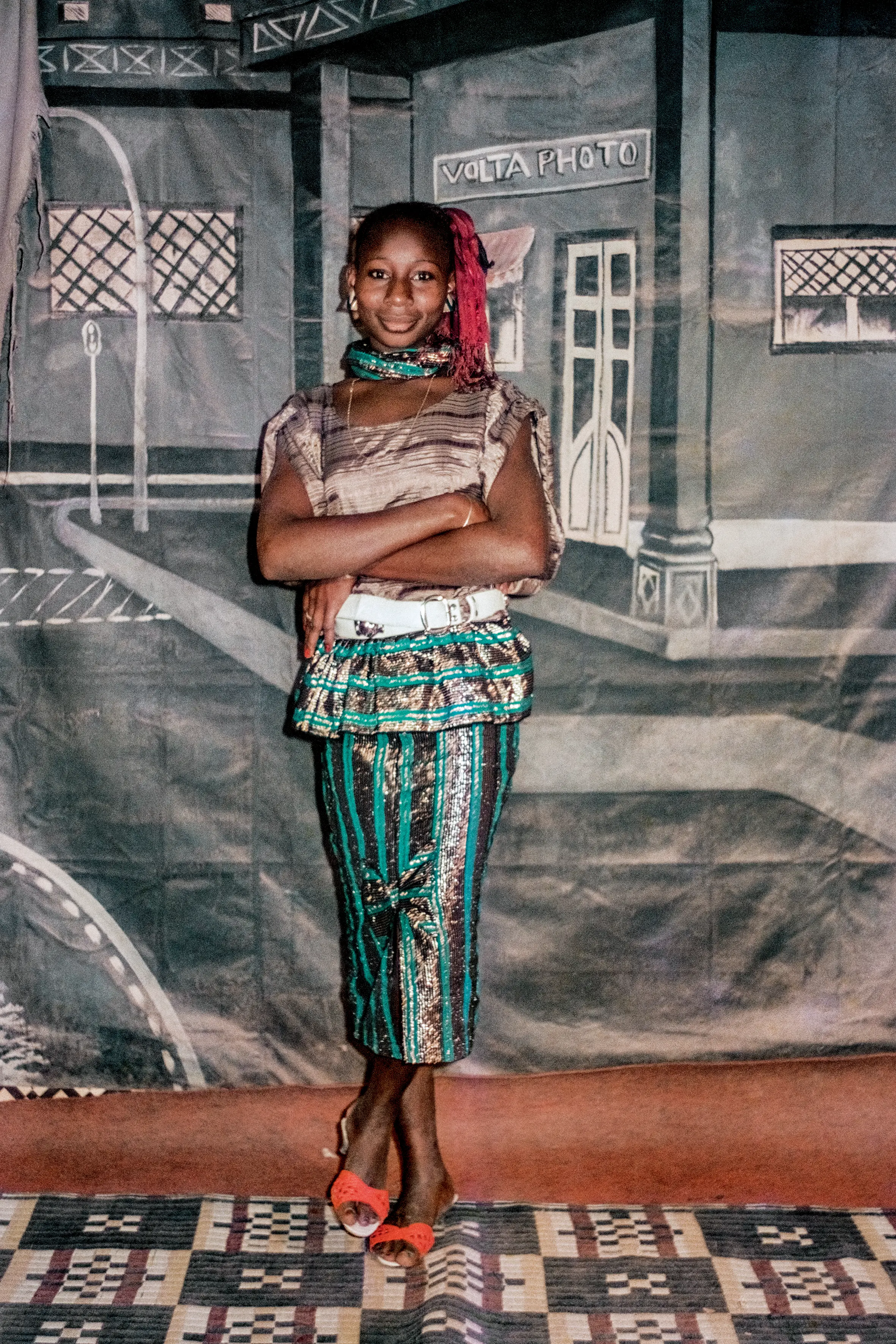
Sanlé Sory
Volta Photo Studio, Bobo-Dioulasso, Burkina Faso
On independence
We had been living in a rural environment and then, after independence, it was a boom time. There was a total sense of freedom and most people looked down on the colonial past. They wanted to be themselves. Hopes were high and dreams were ripe. I was in the right place at the right time to see how countryside traditions mingled with modem city life. People were eager for change and I saw it all through my lens.
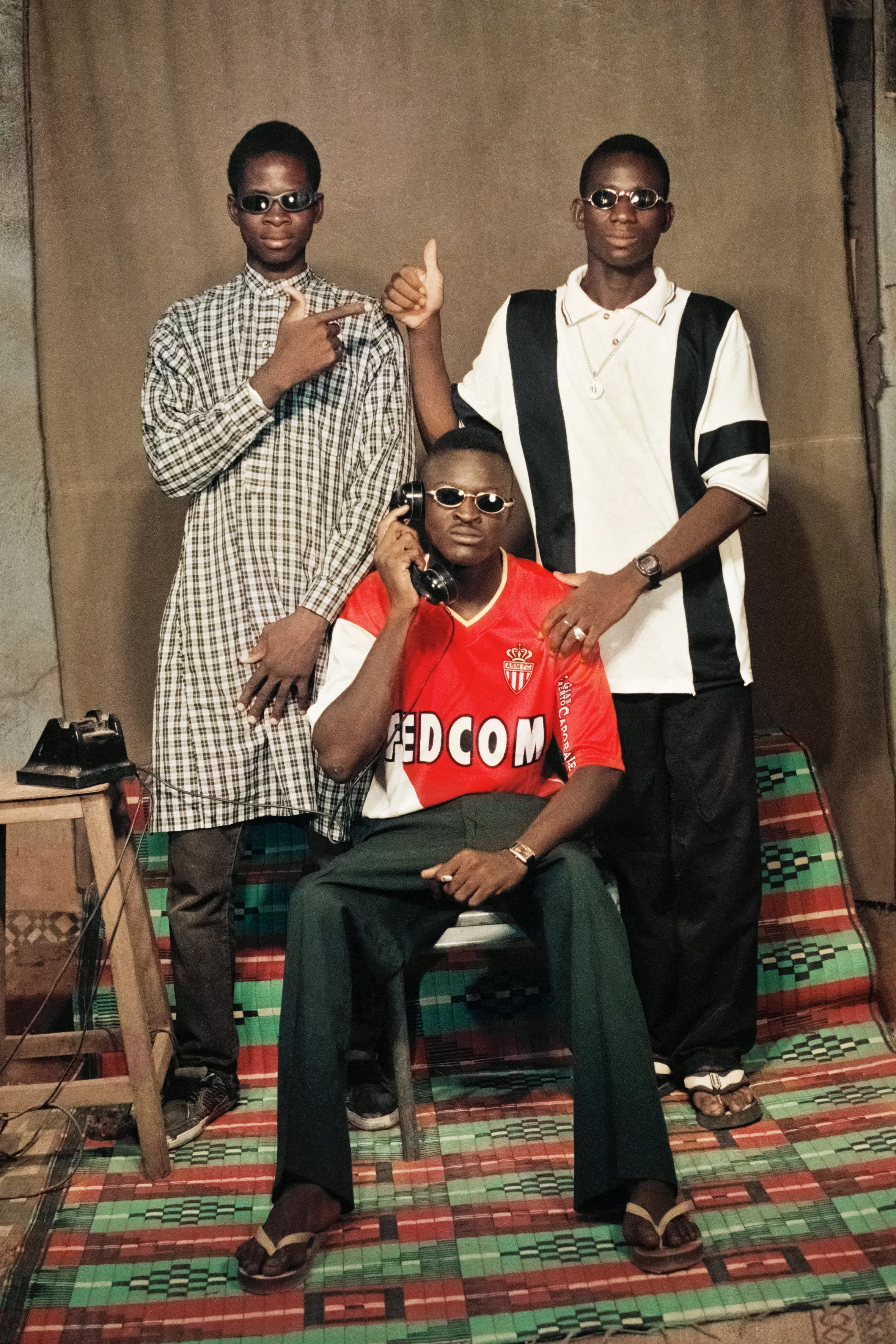
Sanlé Sory
Volta Photo Studio, Bobo-Dioulasso, Burkina Faso
On taking portraits
In my opinion, a good portrait is when you feel a connection with the person in front of you. You just have to feel the emotions and be spontaneous. I have taken tens of thousands of pictures over many decades, and sometimes there were real surprises. People came as they were. I made them look nice. I had many accessories: suits for men, hats, radios, records, a telephone. I also had make-up for the ladies, as well as pencils, powder, a comb. Women would get ready at the front of the studio, unless they needed to change in my darkroom.
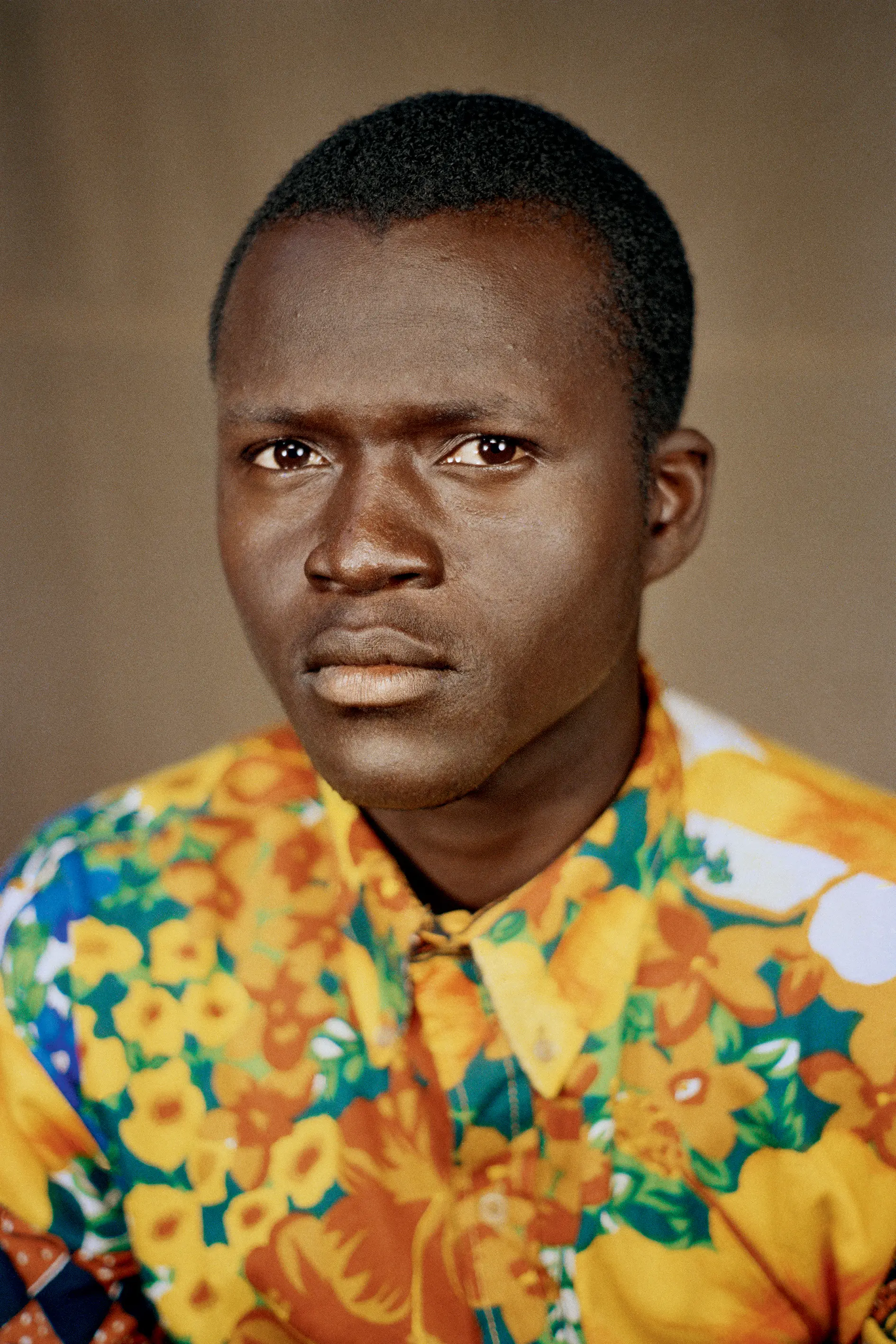
Sanlé Sory
Volta Photo Studio, Bobo-Dioulasso, Burkina Faso
On Volta Jazz
I wanted my studio to reflect the mood of the times. Those were the independence years, so there was a lot of freedom, happiness and restfulness in Bobo-Dioulasso. We were all part of the same Voltaic identity: we wanted to create and develop our own culture. I was in the same boat as Idrissa Koné. By the mid-1960s, he had also started Volta Jazz, and he asked me to photograph the record covers. He had paid for colour negatives, so we went to Bobo's municipal garden and across town. I was influenced by the Bantous de la Capitale's Stenco singles covers from the early 1960s. Volta Jazz created the soundtrack for Bobo’s joyful parties and daily happiness.
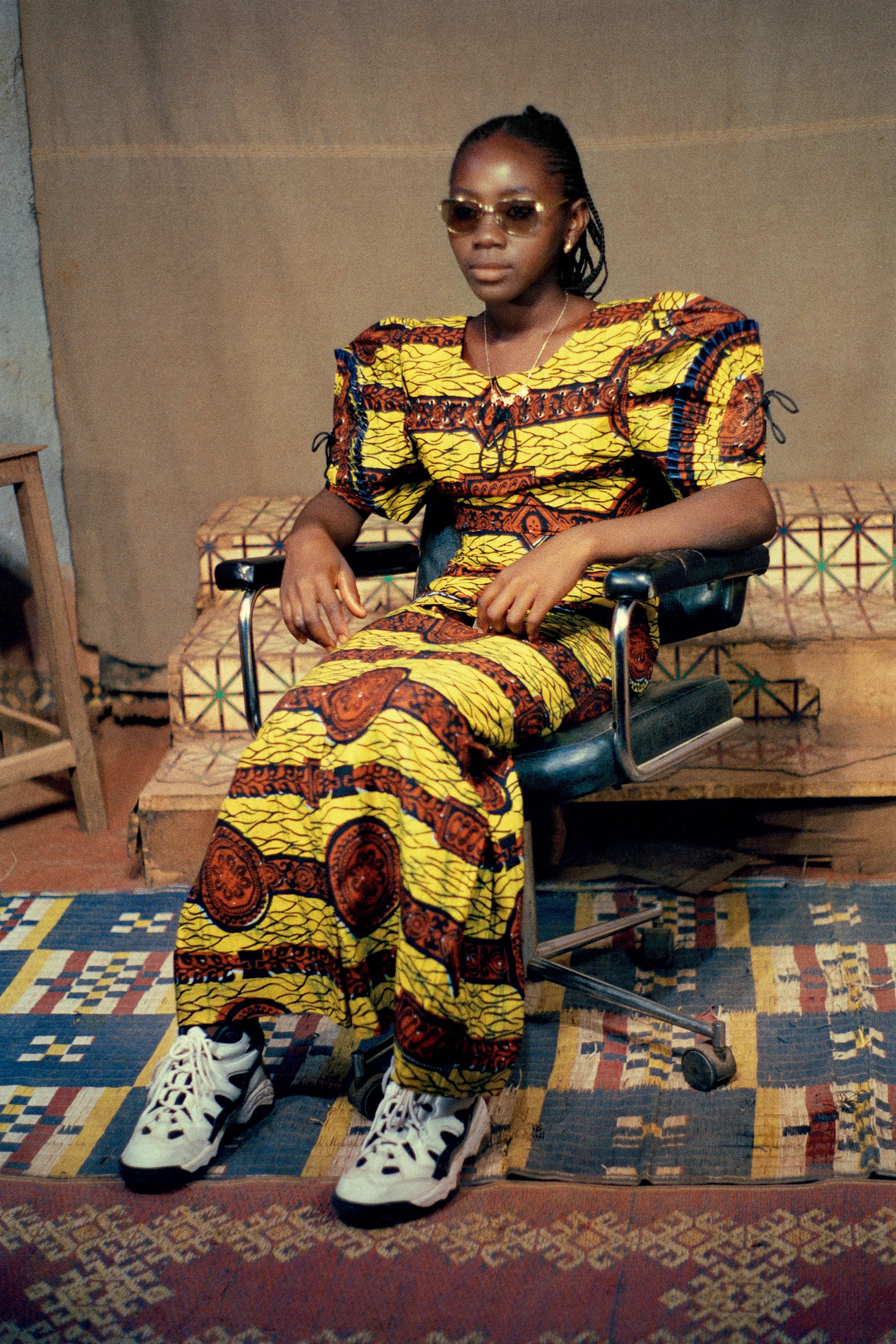
Sanlé Sory
Volta Photo Studio, Bobo-Dioulasso, Burkina Faso
On his photography today
I think colour photography has somehow displaced black-and-white. I gave up black-and-white photography for good in the late 1990s. I still walk almost every day around Bobo's central market, taking digital pictures of my old customers. Everything I did in my career came together once I realised I could live well from my work. When I started exhibiting and selling pictures in places like London, Chicago, Bordeaux, New York, Amsterdam, Cape Town, Oslo, Toulouse, Los Angeles, Minneapolis, Atlanta, Geneva and Dakar, all those decades of hard work suddenly made sense.
My pictures showcase an era, a city and the good people of Bobo-Dioulasso, who were the stars of their own existence. They illustrate the meeting between tradition and modernity, between country and city life, colonisation and independence, past and future – as an immediate present.
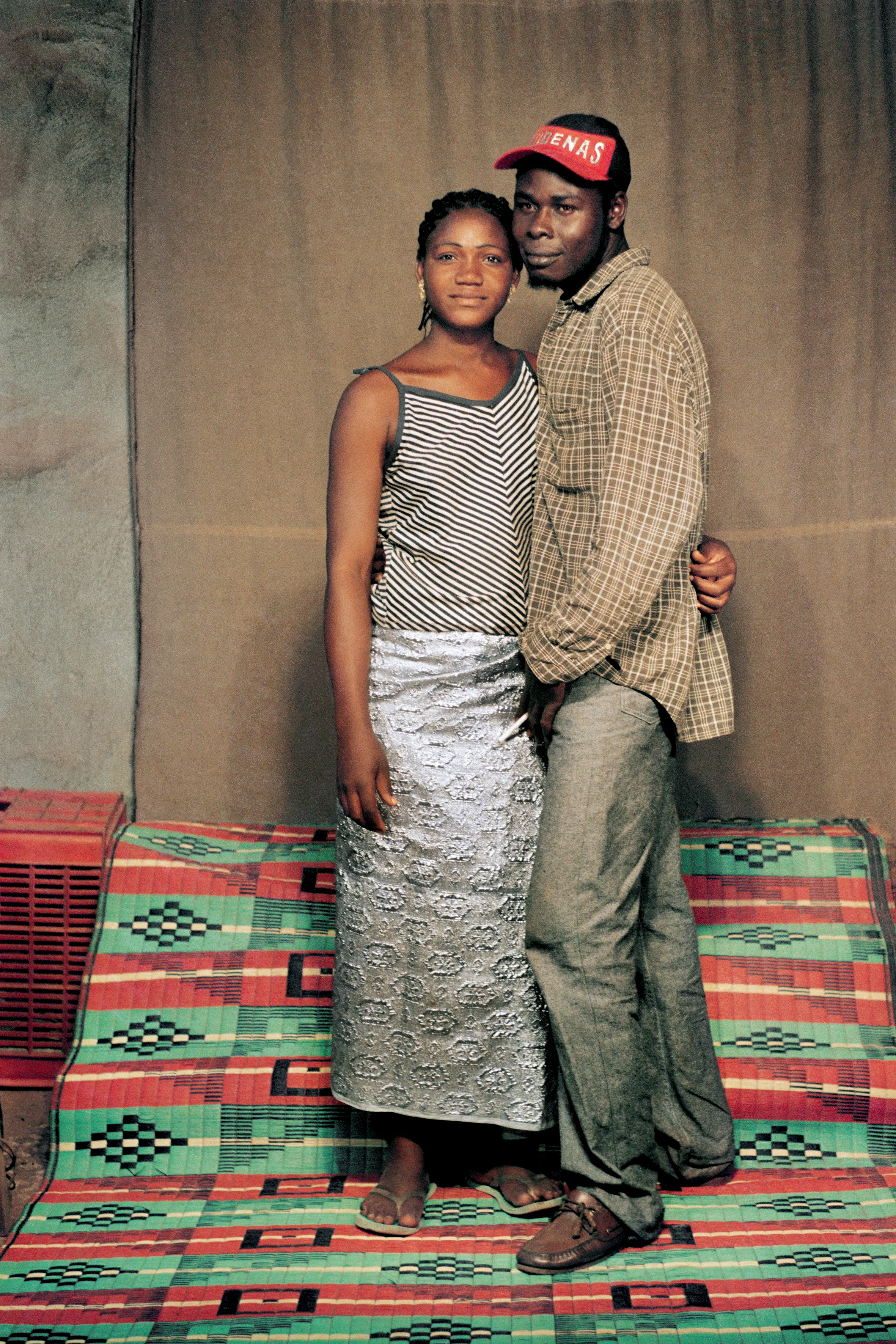
Sanlé Sory
Volta Photo Studio, Bobo-Dioulasso, Burkina Faso


