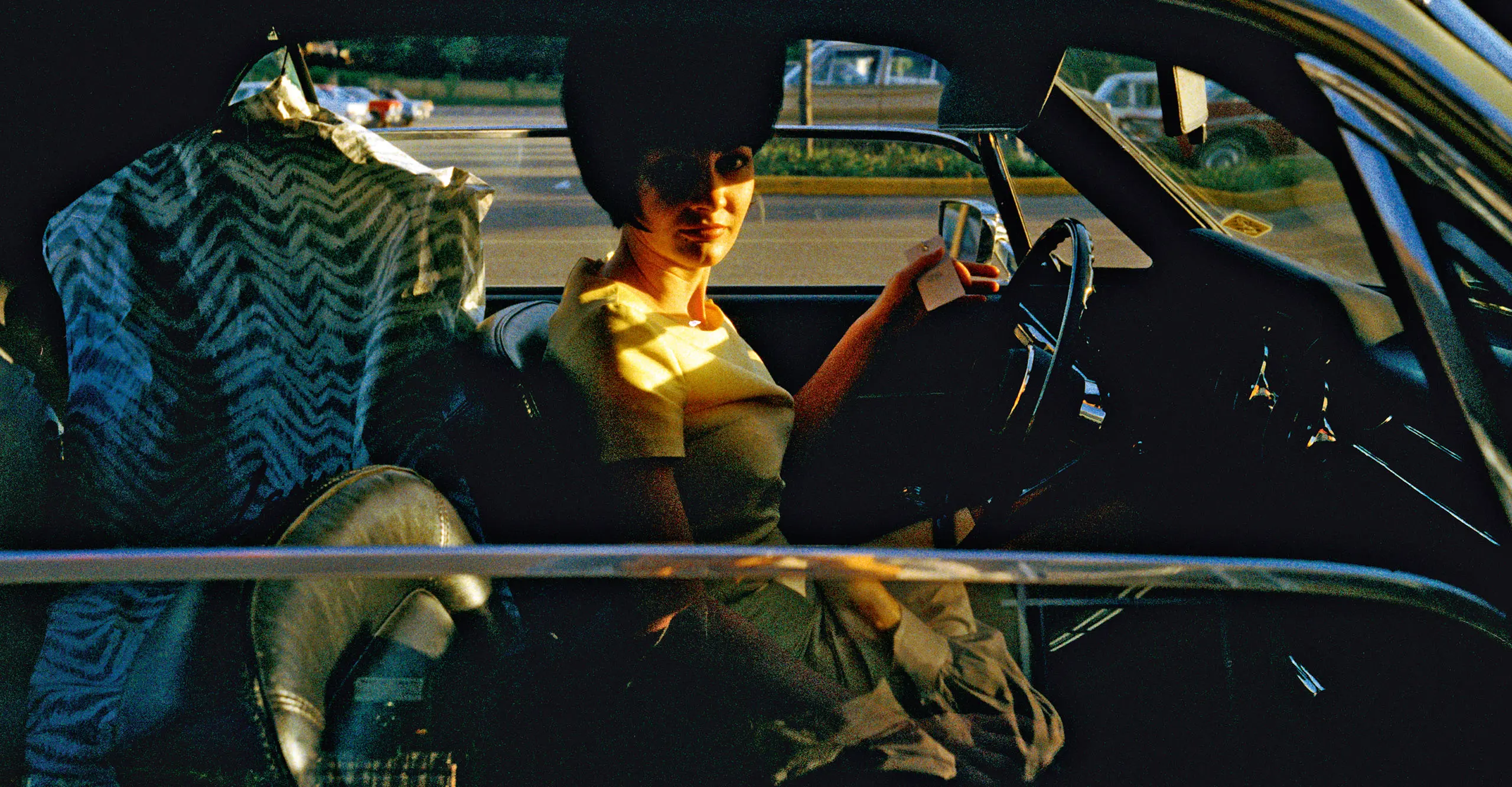
1. He helped make colour photography art
In the early 1970s, colour photography was still widely treated as something commercial, popular or merely decorative. Eggleston challenged that idea.
In 1976, the Museum of Modern Art in New York presented Eggleston's work in what it described as the first one-person exhibition of colour photographs in the museum's history, alongside the publication of William Eggleston's Guide. The reaction was famously divided but the exhibition helped establish colour as a serious artistic language.
The important thing, though, wasn't just that Eggleston photographed in colour. He used colour as part of the structure, mood and meaning of the picture. A red ceiling, a green room or a blue sky could be as important to the photograph as the person or object being photographed. Colour wasn't decoration. It became a way of seeing.
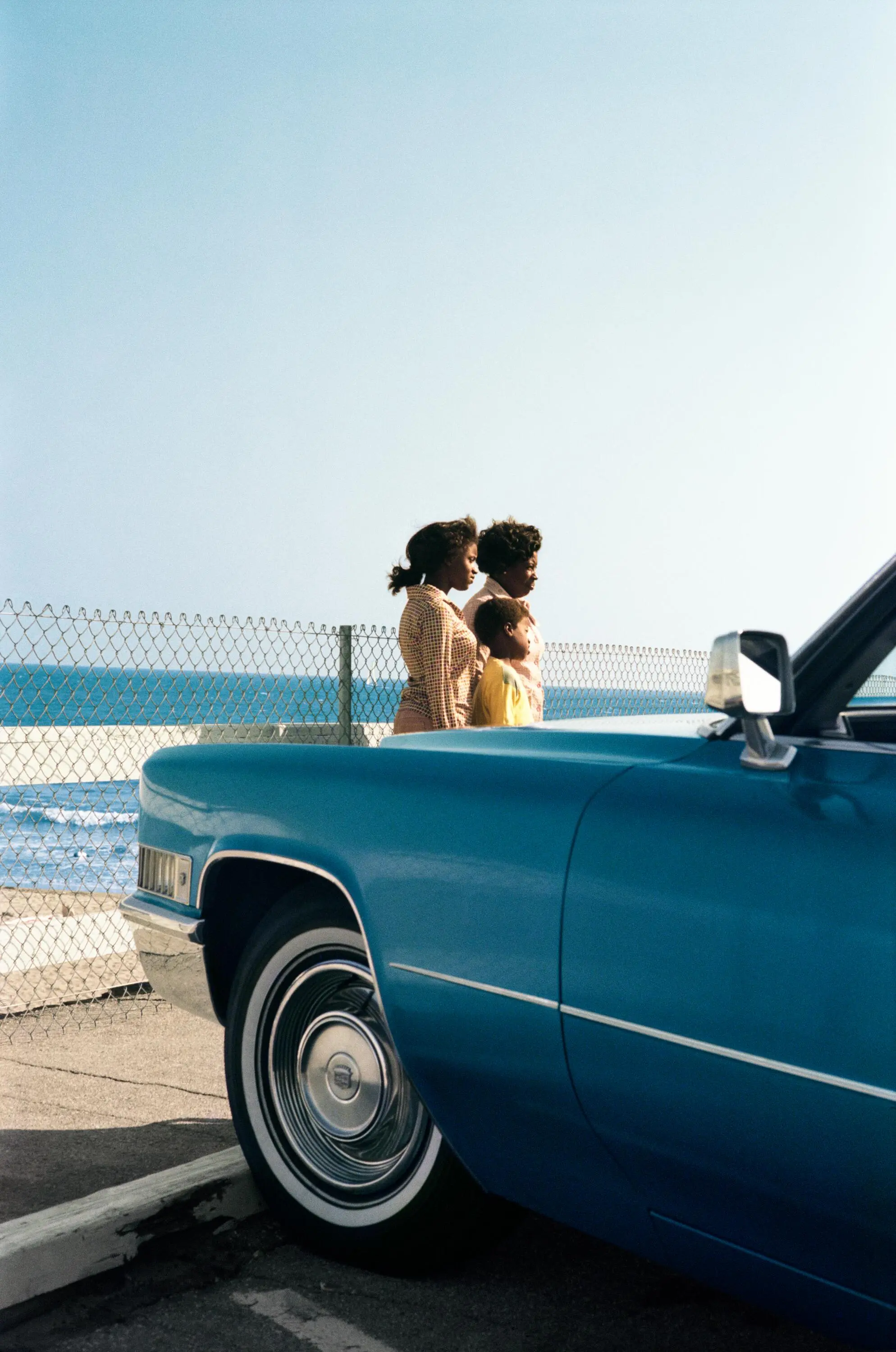
Untitled, Santa Monica, from the series Los Alamos, 1971-74, from the Wilson Centre for Photography
2. His subject was often… nothing special
A supermarket, a diner, a suburban street, a car, a room, a sign or a stranger waiting in the street.
Eggleston's photographs typically capture the things we might normally overlook. His approach has been described as a “democratic way of looking around” - a way of refusing to decide in advance which things deserve our attention.
That doesn't mean his photographs are accidental. His Guide contained 48 photographs selected from a much larger body of work, including hundreds of images made between 1969 and 1971. What looks casual is actually highly considered. His ultimate subject may be the act of noticing itself.
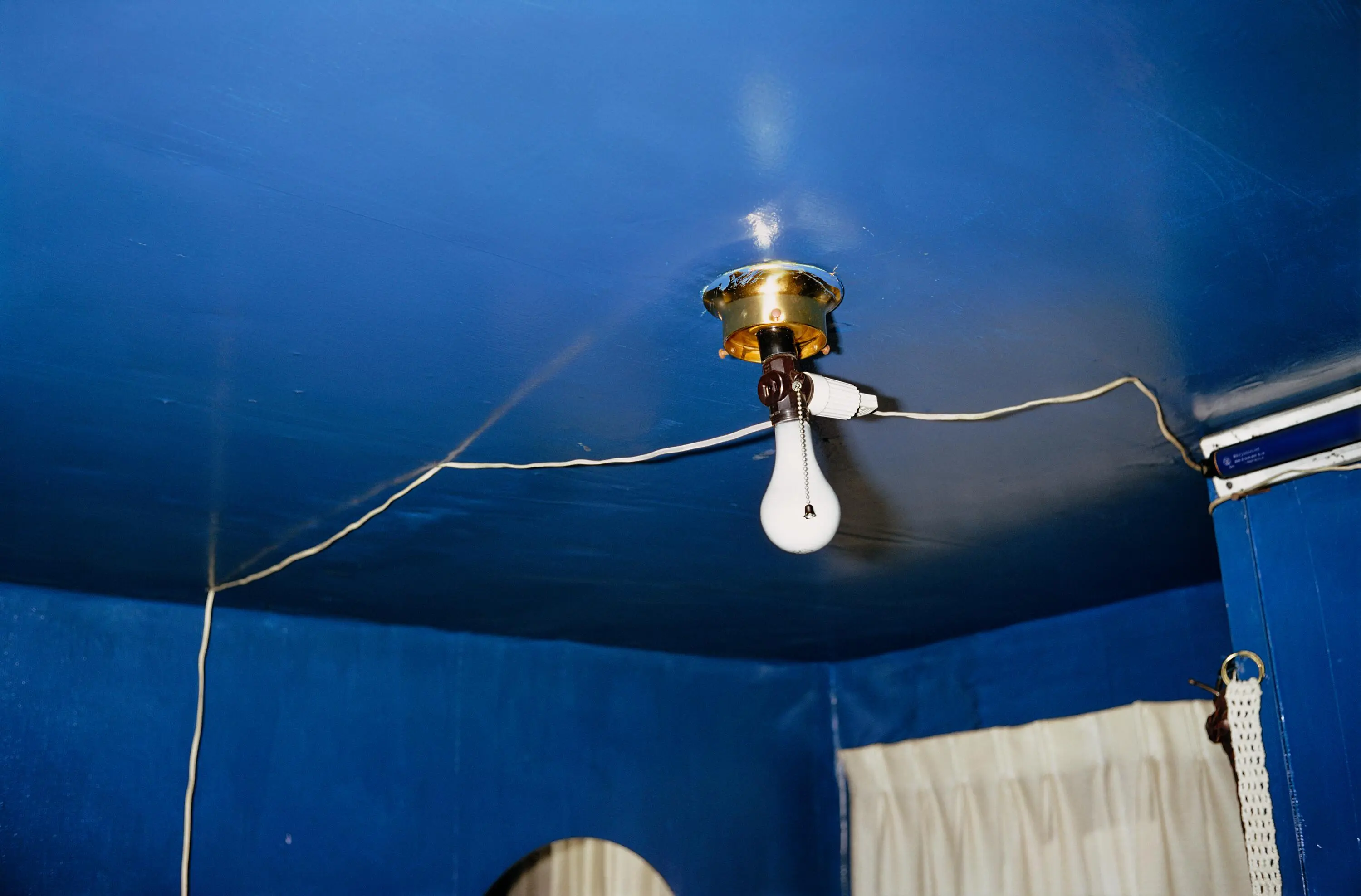
Untitled, (Blue Ceiling), from the series Chromes, c. 1970-1973
3. The dye-transfer process is part of the story
One reason Eggleston's photographs can look so intense, saturated and physically present is the dye-transfer printing process he used for many of his best-known works. This process is no longer used in current printing which makes it that much more distinctive.
So, what exactly is a dye-transfer print?
Instead of creating a colour photograph in one step, the image is separated into its constituent colours. Separate colour information is used to create printing matrices, and cyan, magenta and yellow dyes are transferred onto photographic paper, one colour at a time. The process was laborious, but it gave considerable control over colour, saturation and tonal relationships.
For Eggleston, this was particularly important because he was working with colour transparencies such as Kodachrome. Dye-transfer allowed the intensity of those original transparencies to be translated into substantial photographic prints, while giving the printer considerable control over the final colour.
Look closely at an Eggleston print and the colour is not simply in the photograph - it is part of the physical history of how the photograph came into being. In other words, the colour isn't just what Eggleston photographed. It is also how the photograph was printed.
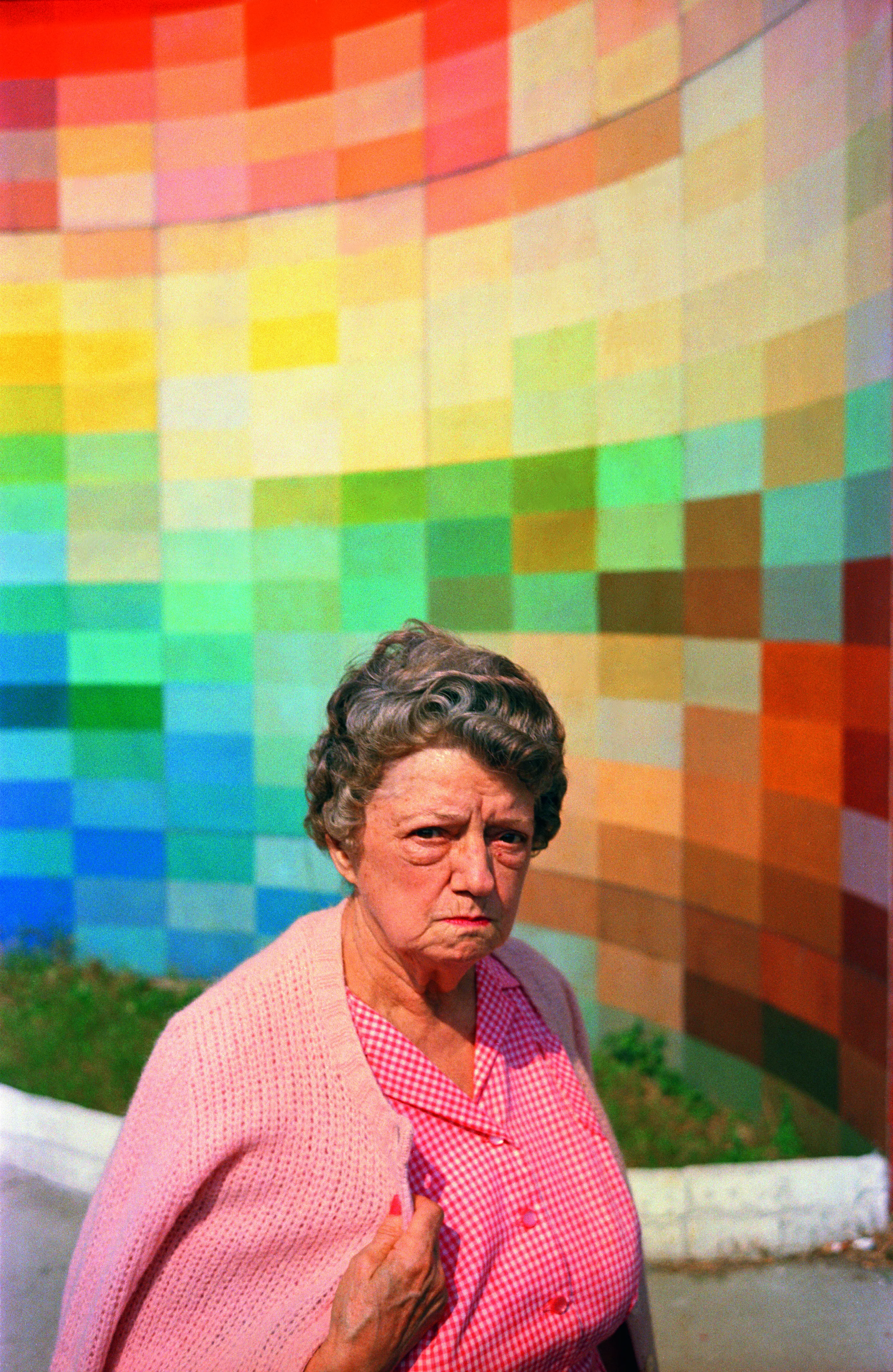
Untitled, Memphis, from the series Los Alamos, c. 1965-68, from the Wilson Centre for Photography
4. Documenting cultural shifts in the USA
Eggleston's photographs are rooted in Memphis and the wider American South, although they are a step apart from straightforward documentary photographs.
He photographed during a period of enormous social and cultural change in the United States. The everyday environments in his pictures, roadside spaces, homes, businesses, streets and commercial landscapes, carry traces of post-war American life, including its aspirations, contradictions and histories.
The exhibition looks particularly at the relationship between Eggleston's colour and the visual culture around him: advertising, television, supermarkets, roadside signage and commercial printing. It also considers what can be felt in his photographs through presence and absence, including the legacy of racial segregation in the South.
He wasn't always photographing the big events of American history. He was photographing the world in which those events were being lived.
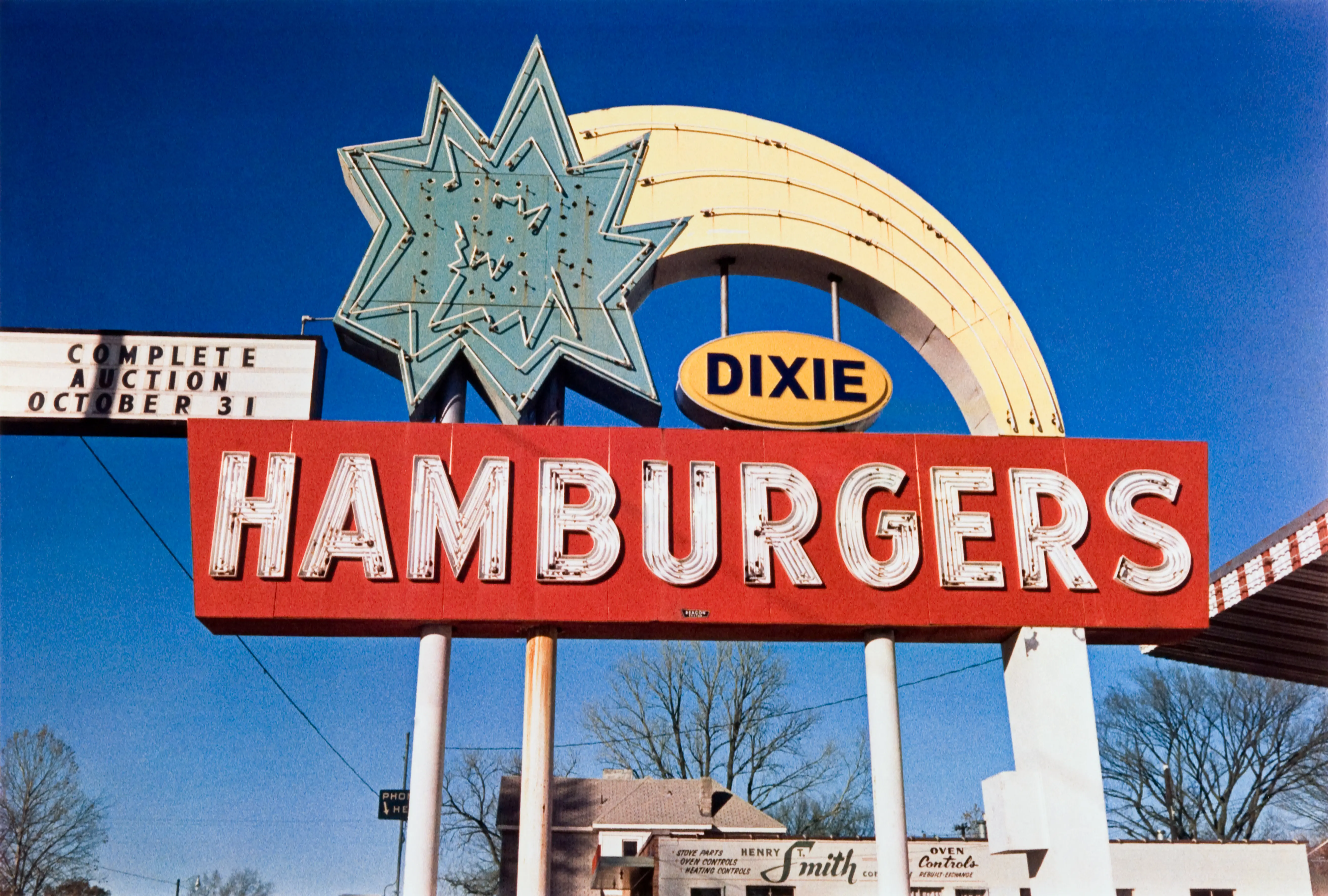
Untitled, Memphis, from the series Los Alamos, c. 1971-74, from the Wilson Centre for Photography
5. Fifty years later, his way of looking still feels remarkably contemporary
Eggleston's influence stretches far beyond photography. His use of colour, fragments of everyday life and suggestive, open-ended narratives can be felt across cinema, fashion, publishing and visual culture. This may be one reason his work still feels so immediate.
We now live surrounded by photographs - scrolling, snapping, posting and constantly moving on to the next image. Eggleston offers the opposite experience.
His pictures ask us to stop.
To look at the corner of a room.
To notice the colour of a wall.
To wonder about a stranger.
To spend time with something we might otherwise dismiss as ordinary.
Fifty years after Guide, perhaps the most radical thing about Eggleston is still his invitation to notice what goes unnoticed.
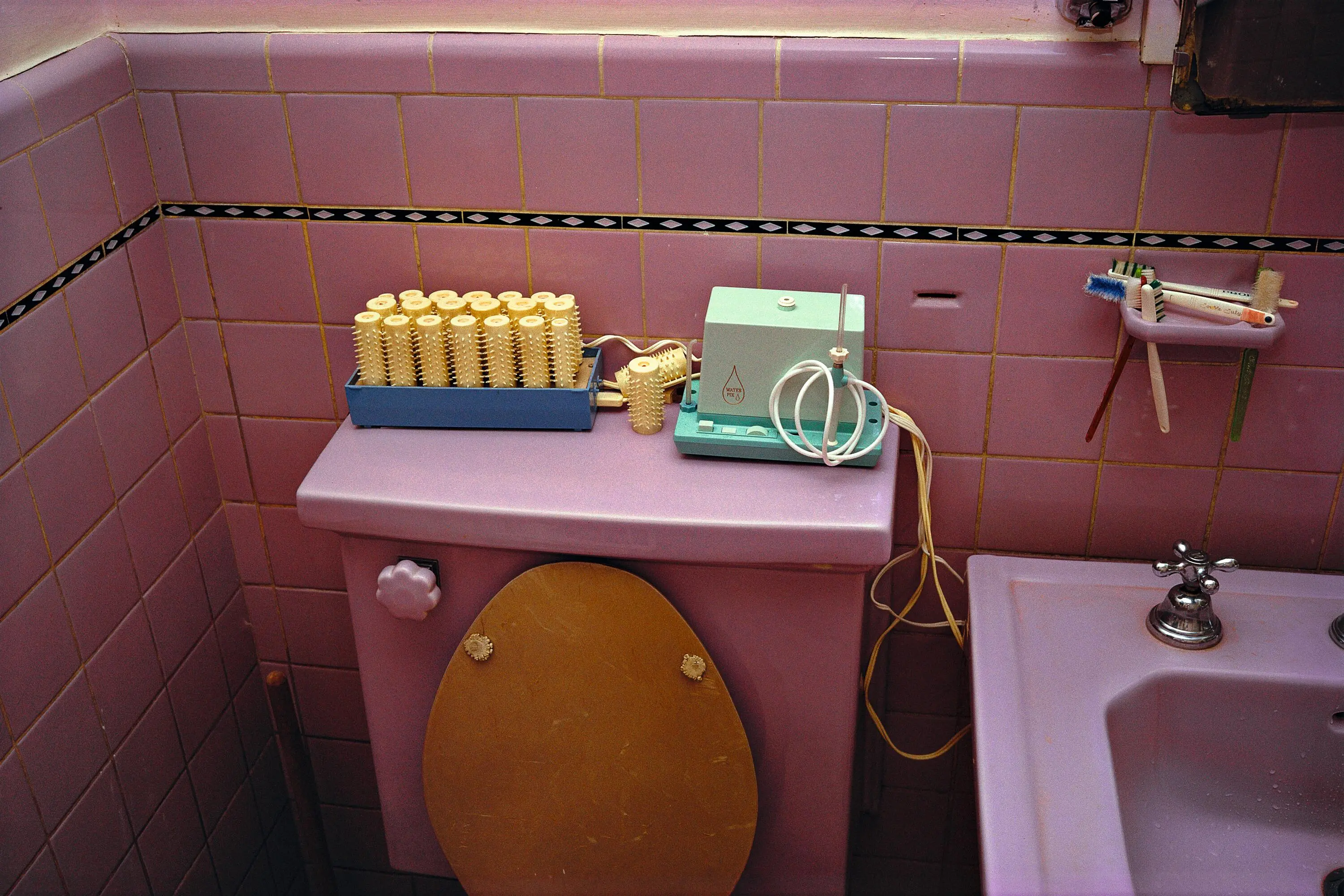
Untitled (Pink Bathroom), from the series Chromes, c. 1970-73,